
Adding indoor plants to your space can brighten up a room and improve the air quality. Some plants do even more by filling your home with natural, pleasant scents.
You can choose from many plants that not only look nice but also smell good, helping your home feel fresh without using sprays or candles. These plants can create a calm and inviting atmosphere through their natural aromas.
1. Jasmine Plant
You can grow jasmine indoors to enjoy its sweet, strong scent. The plant produces small white or pinkish flowers that bloom mainly in late winter or early spring.
These flowers release a relaxing fragrance that fills the room.
Jasmine is known for its scent, which is often used in perfumes. It can make your living space or bedroom feel more inviting. The fragrance is strongest in the evening, so it works well in places where you spend quiet time.
The plant also features glossy, green leaves that enhance its beauty. Jasmine needs bright, indirect light and regular watering to stay healthy. It grows best in moderate temperatures and good air circulation.
You can find various types of jasmine, such as Arabian jasmine, which blooms year-round and has an intense fragrance.
Whether you place it on a windowsill or in a pot, jasmine can brighten your space with both its look and smell.
2. Gardenia
You will notice gardenias for their strong and sweet scent. Their white, waxy flowers have a fragrance that is often compared to jasmine and vanilla.
This makes them a popular choice for adding a fresh, pleasing smell to your indoor space.
Growing gardenias indoors can be a bit challenging. They need bright, indirect light and high humidity to thrive well.
You should keep the soil moist but not soggy to avoid root problems.
Your gardenia also prefers cooler temperatures, especially at night. Regular feeding with a fertilizer made for acid-loving plants helps keep it healthy.
With proper care, gardenia can bloom often and fill your home with its lovely scent.
3. Lavender
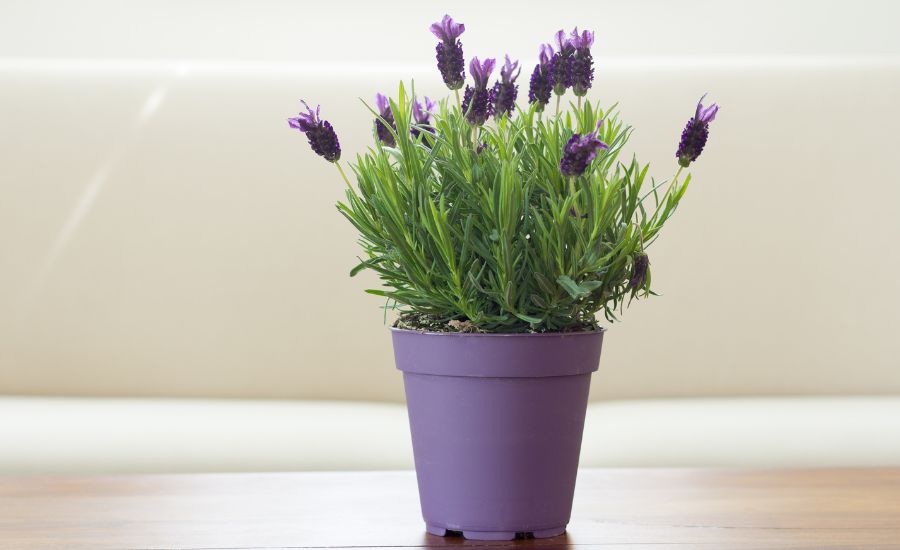
Lavender is a popular indoor plant known for its light, floral scent. The scent is calm and soothing, making it a good choice for creating a relaxing atmosphere in your home.
You can find dwarf varieties that work well inside.
This plant requires ample sunlight to grow optimally. Place it near a bright window where it can get several hours of direct light. Lavender also prefers well-draining soil to avoid root problems.
You should water lavender only when the top of the soil feels dry.
Overwatering can harm the plant. Pruning the flowers regularly helps keep the plant healthy and encourages the growth of new blooms.
Besides its fragrance, lavender can help reduce anxiety and improve sleep quality in your living space. It fits nicely in pots on a windowsill or a sunny shelf.
4. Orange Jasmine (Murraya paniculata)
Orange Jasmine is an evergreen shrub that makes a great indoor plant. You’ll notice its glossy green leaves and small, white flowers. These flowers have a clean, sweet scent reminiscent of orange blossoms.
This plant is native to Southeast Asia, but it can be grown indoors with sufficient light. Place it near a bright window where it can get indirect sunlight.
Orange Jasmine likes well-draining soil and moderate watering. Keep the soil moist but not soggy. You should avoid letting it dry out completely.
The plant can also help improve air quality while adding a fresh fragrance to your home. It is fairly easy to care for, making it good for beginner plant owners.
With proper care, your Orange Jasmine can bloom several times a year. The scent of the blossoms brings a natural, citrus-like freshness to any room. For more care tips, see this guide on growing Orange Jasmine indoors.
5. Sweet Alyssum
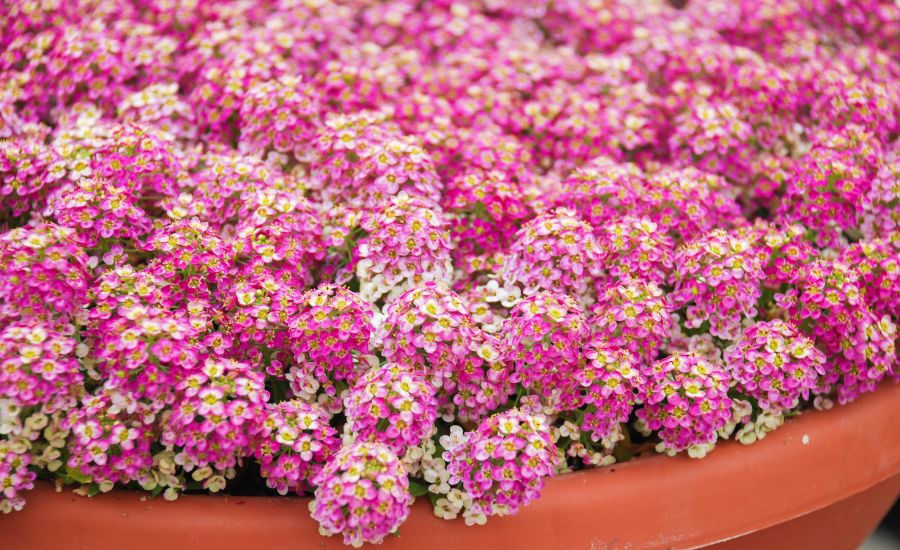
Sweet Alyssum is a low-growing plant with small clusters of white, pink, or purple flowers. It gives off a light honey-like scent that can brighten your indoor space.
You’ll find this plant perfect for filling containers or lining small areas. It blooms often, providing a steady, gentle fragrance you can enjoy nearby.
This fragrant plant also attracts pollinators like bees and butterflies if you place it near a sunny window. Its easy care makes it a good choice for indoor gardening.
Regular trimming helps Sweet Alyssum keep blooming and maintain its scent. You don’t need much space to grow it, but it will add a fresh, natural smell to your home.
6. Lemon Balm
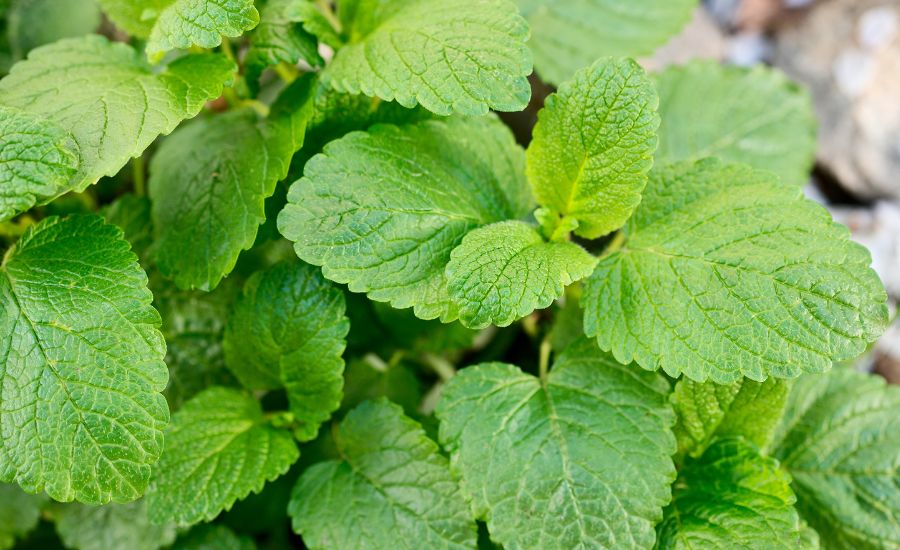
Lemon balm is a fragrant indoor plant that gives off a fresh, lemony scent. It belongs to the mint family and has soft, wrinkled leaves with a bright citrus aroma.
You can easily grow lemon balm in sunny or partially shaded spots. It does well in pots or garden beds with well-drained soil.
This plant is known to lift your mood and help reduce stress with its natural lemon scent. You can also use its leaves to make a soothing herbal tea.
Lemon balm requires minimal care, making it an ideal choice for a low-maintenance indoor plant that also smells great. It adds a fresh, natural scent to your home with minimal effort.
If you want a lemon scent without growing a full citrus tree, lemon balm is a solid alternative. It’s suitable for beginners and works well in small indoor spaces.
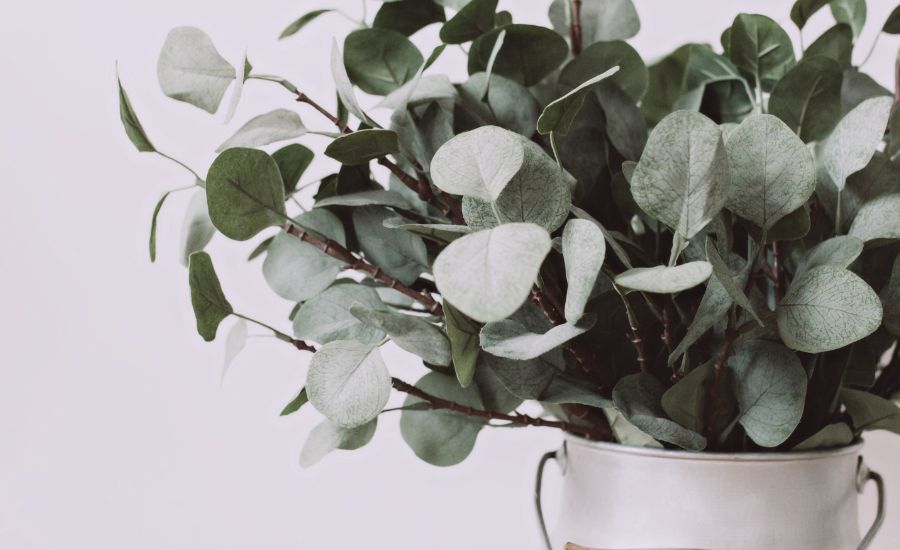
7. Eucalyptus
Eucalyptus is a popular indoor plant known for its fresh, clean scent. The leaves emit a minty or citrusy aroma that can help create a calm and spa-like atmosphere in your home.
You can choose different types of eucalyptus depending on what scent you prefer. Some have stronger mint notes, while others emit a lighter, more lemony scent.
This plant requires ample light to thrive. Place it near a bright window, but avoid direct, harsh sunlight. Regular watering is important, but be careful not to overwater.
Eucalyptus is also easy to use beyond just having it indoors. You can dry the leaves for natural air fresheners or add them to shower steamers to boost the scent in your bathroom.
Growing eucalyptus indoors can help keep your home smelling fresh year-round with minimal effort. For more tips on this plant, see how to grow eucalyptus indoors.
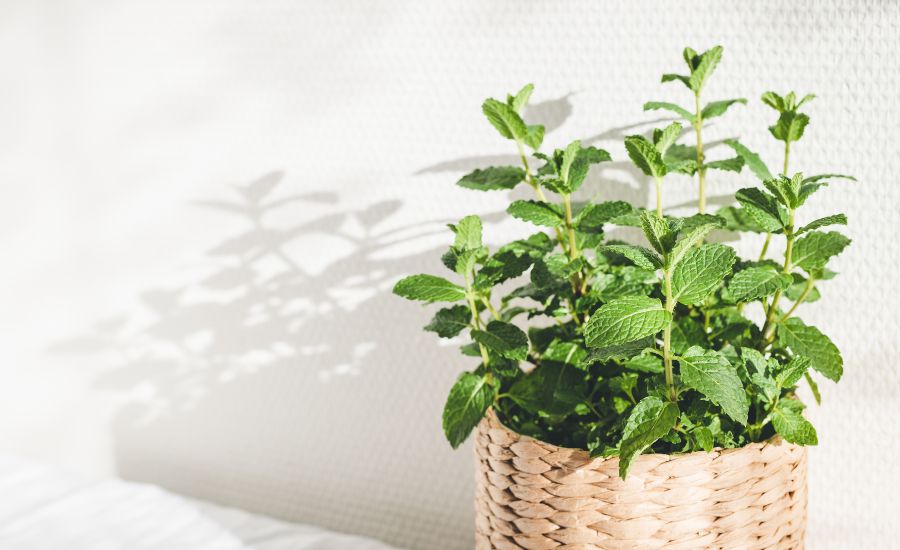
8. Mint
Mint is a popular indoor plant known for its fresh and intense aroma. You can grow different types like Mountain Mint or Indian Mint, each offering a slightly different scent.
Having mint in your home adds a clean, refreshing scent. It works well in kitchens or living spaces where you want a natural boost to the air.
Mint is easy to care for. It needs regular watering and bright, indirect light. You can also clip its leaves to use in cooking or drinks.
Because mint spreads quickly, keep it in a pot to control its growth. Its pleasant scent helps reduce unwanted odors naturally.
If you want a plant that smells good and can be used in your cooking, mint is a wise choice. It provides fresh fragrance and practical use all in one.
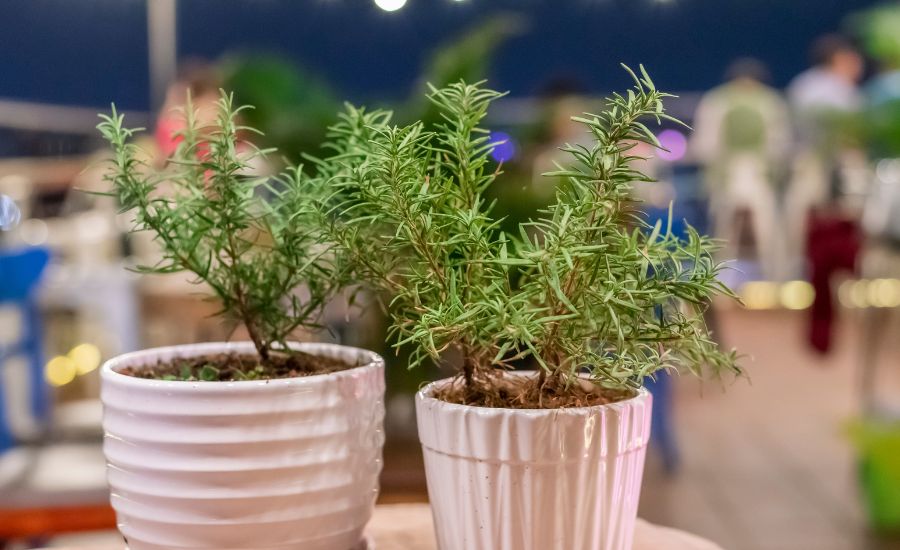
9. Rosemary
Rosemary is a hardy herb that works well as an indoor plant. You can easily grow it in a sunny spot with well-drained soil.
The plant has needle-like leaves that give off a strong, fresh scent. This makes your room smell clean and natural without extra effort.
Rosemary is low-maintenance but does require regular watering. Ensure the soil dries out slightly between waterings to prevent root rot.
Besides its aroma, you can use rosemary in cooking. It adds flavor to many dishes, making it practical to have it indoors.
If you give rosemary enough light and the right care, it can stay green and fragrant all year. It’s a versatile choice for both scent and use.
10. Scented Geranium
Scented geraniums are known for their fragrant leaves. You can find many scents, such as rose, lemon, mint, apple, and even coconut.
These plants release their aroma when you touch or brush their leaves gently.
Growing scented geraniums indoors is fairly simple. They prefer well-drained soil and require moderate moisture, but not excessive, to thrive.
This makes them easy to care for if you keep a close eye on water levels.
These plants usually reach a height of 12 to 18 inches. Their small flowers add to their charm, but the main attraction is the smell of their foliage. They can brighten your home with both scent and color.
If you want a plant that offers various fragrance options, scented geraniums provide a good variety to choose from. They bring a fresh and natural scent straight to your indoor space. You can learn more about growing scented geraniums indoors on this guide to scented geraniums.
11. Hoya Carnosa (Wax Plant)
The Hoya Carnosa, also known as the Wax Plant, features thick, green leaves that appear shiny and healthy. It is a climbing vine, so you can let it grow on a trellis or hang it in a pot.
One of the best features is its sweet-smelling flowers. The star-shaped blooms give off a gentle, pleasant fragrance, especially in the evening. This makes your indoor space smell fresh without being overpowering.
This plant is easy to care for. It does well in bright, indirect light and only needs watering when the soil is almost dry.
Because it is hardy and low-maintenance, it’s a good choice if you want a fragrant plant without a lot of effort.
For more details about its care and flowers, refer to our Hoya Carnosa Wax Plant guide.
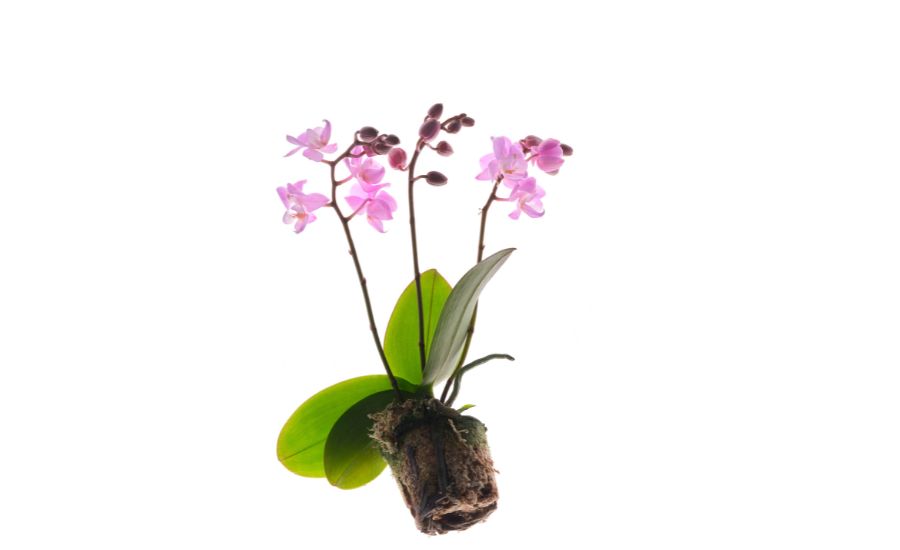
12. Orchid (Fragrant varieties)
If you want a sweet and subtle scent, you can choose from several fragrant orchid varieties. Not all orchids smell, so picking a fragrant type is essential if scent matters to you.
Some popular fragrant orchids include Cattleya, Oncidium, and particular species of Dendrobium. These orchids often release their scent during the day or night, depending on the species.
Orchid scents can vary from light floral to spicy or even citrusy.
You should research the specific variety to know what kind of fragrance to expect.
Keep in mind that orchids bloom at different times, and some only produce fragrance when in full flower. Regular blooming orchids can provide a steady scent for your home.
You can check lists of the most fragrant orchids to find the best match for your space. This helps you pick orchids known for their pleasing smell and beautiful appearance, making your home both fragrant and elegant. For more options, see this list of the best orchid varieties for a naturally fragrant home.
13. Stephanotis
Stephanotis, also known as Madagascar Jasmine, is a popular indoor plant recognized for its fragrant, white flowers. You will enjoy its delicate fragrance, mainly when it blooms in spring and summer.
This plant grows as a vine with dark green leaves. It can become quite large, so you may want to train it on a trellis or support.
Stephanotis prefers bright, indirect light. Keep the soil moist but not soggy, and avoid overwatering to prevent root problems.
With proper care, your Stephanotis will fill your home with a natural, pleasant scent. It is an excellent choice if you want a fragrant plant that adds both beauty and smell to your space.
You can learn more about growing and caring for this fragrant plant from detailed guides on Stephanotis plant care.
14. Chocolate Cosmos
Chocolate Cosmos is a unique indoor plant that adds a rich, chocolate-like scent to your home. It has deep burgundy flowers that look as striking as they smell.
You can grow Chocolate Cosmos in full sun with well-drained soil. It prefers warmer temperatures but can be kept indoors in cooler climates during winter.
The scent is most potent in the heat of the day, giving your space a subtle cocoa aroma. This plant grows from tubers, so you can store them in dry places over winter.
Chocolate Cosmos typically reaches a height of about two to three feet, making it a suitable size for windowsills or sunrooms.
It’s pretty easy to care for if you provide plenty of sunlight and water regularly, but avoid waterlogging.
If you want a plant that combines beauty with a pleasant, natural fragrance, Chocolate Cosmos is a good choice. You can learn more about it from detailed plant guides, such as those found at houseplantalley.com.
Benefits of Fragrant Indoor Plants
Fragrant indoor plants bring more than just beauty to your space. They directly impact how your home feels and the quality of the air you breathe.
These plants work quietly to create a more pleasant atmosphere and a healthier environment.
Enhancing Indoor Ambience
When you add fragrant plants to your room, you introduce natural scents that gently fill the air.
Unlike artificial air fresheners, these plants release fresh aromas, such as jasmine’s sweet floral or lavender’s calming scent, making your home feel inviting.
You can use these plants to create different moods. For example, citrus-scented plants like lemon geranium can energize your mornings.
Plants with soft aromas like gardenias help you relax in the evening.
The presence of natural fragrances can also help reduce stress and improve your overall mood. These scents subtly lift the atmosphere without overwhelming your senses.
Using fragrant plants is a simple way to boost comfort in your everyday living spaces.
Natural Air Purification
Many fragrant indoor plants also help clean the air. They absorb toxins such as formaldehyde and benzene that come from household products. This process improves air quality by reducing the presence of harmful chemicals.
Plants like jasmine and lavender release oxygen and increase humidity, which can reduce dust and allergens. This can help people with mild allergies or dry skin conditions.
Having these plants indoors makes your environment fresher and healthier. Unlike artificial air cleaners, plants are natural and help maintain balance.
Choosing the right fragrant plants can enhance both the air quality and the scent of your home simultaneously.
Tips for Maintaining Aromatic Houseplants
To keep your fragrant houseplants healthy and smelling good, focus on where you place them and how you care for their water and humidity needs.
Paying attention to these details helps your plants produce strong scents and vibrant leaves.
Optimal Placement for Scent
Most fragrant indoor plants need the right amount of light to grow and release their scents. Place your plants in a location that receives bright, indirect sunlight.
Avoid direct, harsh sunlight, which can dry out leaves and reduce their aroma.
Watch for low-light areas. Some scented plants, such as jasmine or gardenia, prefer moderate to bright light. If a plant is too dark, its scent may weaken.
Rotate your plant regularly so all sides get light.
Temperature matters too. Keep your plants in rooms between 65°F and 75°F (18°C to 24°C). Avoid placing them near drafts, heating vents, or air conditioners. These can dry plants out and harm their fragrance.
Watering and Humidity Needs
Water your aromatic plants consistently, but avoid overwatering. Check soil moisture; it should stay slightly damp but not soggy. Overwatering can cause root rot, which harms plant health and scent.
Most fragrant houseplants thrive in moderate to high humidity. Dry indoor air, especially in winter, lowers their fragrance and growth. Use a humidifier or place a tray filled with water and pebbles near your plants to maintain a humidity level of 40-60%.
Mist leaves lightly if air is arid, but don’t soak them. Good airflow helps prevent mold and pests, which can negatively impact plant health and lead to unpleasant odors.
Adjust watering and humidity levels according to your specific plant’s needs for optimal results.
How to make your home smell good?
Frequently Asked Questions
Indoor plants with strong scents often vary in their care needs and light requirements.
You can find options that fit small spaces, tolerate low light, and require easy maintenance while still providing pleasing fragrances.
What are some highly fragrant indoor plants that require minimal care?
Lavender and Jasmine plants are good choices. Both offer strong scents and can tolerate moderate care without too much fuss.
Which small house plants offer pleasant scents for indoor environments?
Sweet Alyssum and Orange Jasmine are compact plants known for their sweet and fresh aromas. They fit well in small pots and brighten up limited spaces.
What indoor plants with sweet fragrances are well-suited for low light conditions?
Gardenias and some types of Jasmine can do well in lower light. They still produce their signature sweet smells but need careful watering and humidity control.
Can you list the top fragrance-producing house plants for indoor gardening?
The best scented plants include Jasmine, Gardenia, Lavender, Orange Jasmine, and Sweet Alyssum. Each brings a unique, natural fragrance to your home.
Which indoor plants not only smell great but are also easy to maintain?
Lavender and Sweet Alyssum stand out for ease of care. They require less frequent watering and adapt well to everyday indoor environments.
Are there any indoor plants that have a scent similar to gardenias in terms of intensity?
Yes, Jasmine plants provide a comparable scent intensity to Gardenias. Both have strong, sweet floral fragrances that fill a room effectively.