
If you want your house to smell good, the key is to combine cleanliness with pleasant scents. Regularly cleaning your home and removing unpleasant odors creates a fresh base. Using natural or scented products, such as essential oils, candles, or fresh flowers, can help keep your space smelling nice.
You don’t need expensive gadgets to make your home smell better. Simple steps, such as airing out rooms, disposing of trash regularly, and using baking soda on carpets, can make a significant difference. Knowing these easy tips lets you enjoy a fresh-smelling home every day.
I always avoid strong fragrances and products that contains chemicals as they give me headaches. My favourite is opening the windows or boiling cinnamon and lemon in water.
This guide will show you practical ways to keep your house smelling fresh with minimal effort. You’ll learn quick fixes and long-term habits that make your living space more inviting.
Eliminate Bad Odors
Bad smells can originate from various areas in your home. Finding the source, cleaning thoroughly, and using the right products will help you eliminate odors for good.
1. Identifying Common Sources
Start by checking places where odors often hide. Familiar sources include trash bins, kitchen drains, carpets, and pet areas.
Mold and mildew in bathrooms or basements can also cause strong smells.
Inspect fabrics, such as curtains, cushions, and upholstery, closely to identify any potential issues.
These can trap odors over time. If you notice a smell when you enter a room, try to pinpoint where it’s strongest.
2. Use Deep Cleaning Techniques
Once you find the odor source, clean it thoroughly. Use warm water mixed with a mild detergent for surfaces such as counters and floors.
For carpets, consider using a carpet cleaner or baking soda to lift smells.
For pet areas and fabric items, wash or vacuum regularly. Moldy spots need a solution of vinegar or bleach, but be careful with bleach on colored fabrics.
Remember to clean garbage cans regularly to prevent odors from spreading.
3. Neutralizing Persistent Smells
If odors remain after cleaning, try neutralizers like activated charcoal or baking soda. These absorb smells without adding scents.
You can put bowls of baking soda in rooms, or use charcoal bags in closets and refrigerators.
Air purifiers with carbon filters also help reduce odors in the air. Avoid strong sprays that mask smells, they don’t remove the problem and can make the air feel stuffy.
Ventilating your home by opening windows is a simple way to refresh the air regularly.
Enhance Indoor Air Quality
Good indoor air quality is key to a better-smelling home. You can improve it by using proper airflow, filtering the air, and adding natural elements.
4. Open Windows for Ventilation
This is my favourite way to remove the odors from my house. Open windows regularly to let fresh air in and push stale air out. Even a few minutes each day can reduce odors and moisture.
Use exhaust fans in the kitchen and bathroom to remove cooking smells, humidity, and pollutants. Ensure these fans vent outside, not into the attic or other enclosed spaces.
If you have a central HVAC system, change filters every 1-3 months. Clean ducts and vents also help keep the air fresh.
You can also use ceiling fans or portable fans to circulate air without cooling the room excessively.
5. Air Purifiers and Filters
Air purifiers with HEPA filters trap dust, pollen, and pet dander that contribute to unpleasant odors. Some models also include activated carbon filters to absorb smoke and chemical smells.
Place the purifier in rooms where odors are most potent, such as the kitchen or living room.
Check the purifier’s Clean Air Delivery Rate (CADR) to pick one that fits your room size. Replace filters on schedule to keep it effective.
Avoid using ionizers or ozone generators because they can produce harmful particles.
6. Houseplants for Freshness
Certain houseplants can clean the air by removing toxins and adding moisture. Plants such as spider plants, snake plants, and peace lilies are excellent choices.
Place several plants in rooms where the air feels dry or stale. They also help reduce dust and improve humidity.
Keep the soil clean and avoid overwatering to prevent mold growth, which can worsen air quality.
Using plants is a natural way to support fresh, healthy air inside your home.
Using Natural Fragrances
You can use natural items and simple tools to make your home smell fresh and inviting. These methods let you control scents without chemicals. Focus on easy ways to fill your space with pleasant, safe smells.
7. Essential Oil Diffusers
Essential oil diffusers gently release aroma into the air. You simply add water and a few drops of your favorite oil. Oils like lavender, peppermint, and lemon work well to freshen the air.
You can choose between ultrasonic diffusers, which use vibrations, or reed diffusers with sticks that absorb and spread the oils.
Ultrasonic models also add moisture to the air, which is particularly beneficial during dry seasons.
Keep the diffuser clean and change the oils regularly to prevent an intense buildup. Diffusers work best in rooms of small to medium size. Use a timer or set it to run only when you’re home.
8. Simmer Pots and Herbal Sachets
Simmer pots fill your kitchen or living room with warm, natural scents.
Add water to a pot with ingredients like cinnamon sticks, cloves, orange slices, or rosemary, and let it simmer on low heat for several hours.
Herbal sachets are small cloth bags filled with dried herbs and flowers. You can place these in closets, drawers, or under pillows. Common herbs for sachets include lavender, mint, and chamomile.
Both options are affordable and straightforward to maintain.
Change the simmer pot water frequently and replace the sachets every few months to prevent mold growth.
9. Baking and Citrus Scents
Baking cookies or bread naturally fills your home with a cozy aroma. Simple recipes with vanilla or cinnamon boost this effect easily.
Cut citrus fruits like lemons, oranges, or limes and leave them out in a bowl for a fresh, light aroma.
You can also dry the peels and use them around the house or in simmer pots.
For a quick scent boost, mix citrus peels with spices like star anise or cinnamon, then heat in a small pot or microwave for a few seconds. This adds a clean, natural smell without spray or chemicals.
Incorporating Scented Products
You can use several scented products to keep your house smelling fresh. Each offers different ways to spread fragrance and fit various rooms or lifestyles.
10. Candles and Wax Melts
Candles are a popular choice because they combine fragrance with soft lighting. Choose candles made with natural wax like soy or beeswax to avoid harsh chemicals.
Always trim the wick to ¼ inch for a cleaner burn and less smoke.
Wax melts heat without a flame, often in electric warmers, making them safer for homes with pets or kids. They come in various scents and last longer than some candles.
You can mix different wax melt scents to create a custom smell.
11. Reed and Plug-In Diffusers
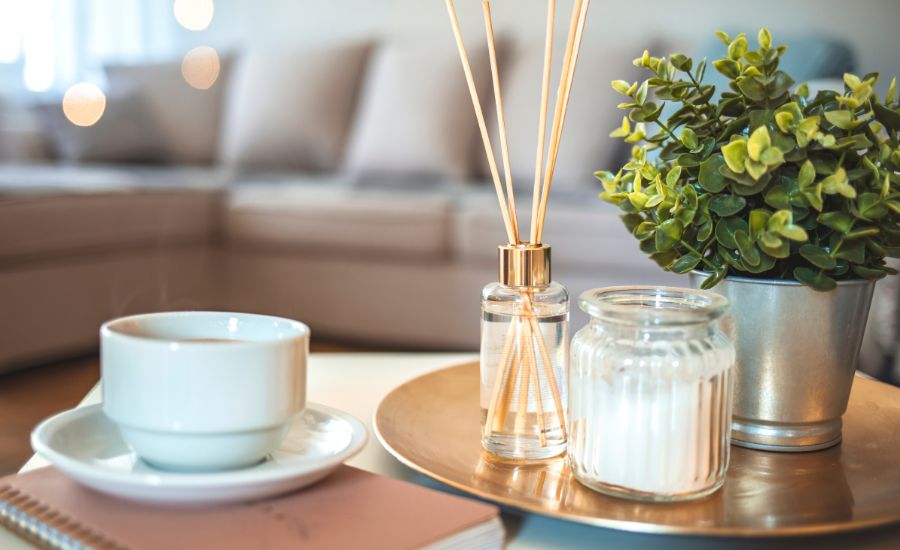
Reed diffusers use sticks placed in scented oil to release fragrance slowly over time. They work well in small to medium-sized spaces, such as bathrooms or hallways.
Flip the reeds every few days to refresh the scent.
Plug-in diffusers plug into an outlet and utilize heat or fans to disperse fragrance more quickly. They often allow you to adjust the scent intensity.
Look for refill oils with natural ingredients for a healthier environment.
12. Scented Cleaning Supplies
Using cleaning products with added fragrance helps make your house smell good right after cleaning.
Pick scented floor cleaners, sprays, or wipes with light, fresh smells such as lemon or lavender. Avoid overpowering scents that can mix badly with other fragrances in your home.
Regular use of scented cleaning supplies can improve the overall smell while keeping your house clean.
Maintain Freshness in High-Traffic Areas
Focus on regular cleaning and using targeted scent boosters in high-traffic areas. Use easy-to-reach solutions that work well in areas with limited air circulation or where odors can build up quickly.
13. Entryways and Living Rooms
Entryways bring in outdoor smells and dirt. Sweep or vacuum floors daily to remove dust and debris that cause musty odors.
Use a doormat to reduce dirt from shoes. Place an air purifier near the door to reduce the number of airborne particles.
For a subtle scent, try a reed diffuser or a plug-in air freshener that matches your style. Avoid strong sprays here, as they can become overwhelming in small spaces.
Keep fabric furniture fresh by vacuuming or using a fabric refresher spray regularly. Open windows when possible to let fresh air in.
100 things to declutter this year for a fresh start
14. Kitchens and Bathrooms
Kitchens often hold food smells that linger. Clean countertops and trash bins daily.
Remove garbage frequently and wipe down surfaces with vinegar or baking soda solutions to neutralize odors.
Use a small fan or exhaust system during cooking to reduce steam and smells. Place a bowl of baking soda in the fridge to absorb strong food odors.
Bathrooms trap moisture, causing mold and mildew smells. Keep the room dry by using a vent fan or opening a window after showers.
Spray bathroom-safe air fresheners or use automatic dispensers with mild scents. Wash towels and mats frequently to prevent musty odors.
Both rooms benefit from incorporating small plants, such as spider plants or peace lilies, which can help improve air quality.
15. Give Your Sink Some TLC
Your sink handles a lot—greasy roasting pans, smoothie blender parts, and grimy dinner plates—every single night. No surprise it can start to smell funky. That’s why a weekly deep clean makes all the difference.
Simply pour 1 cup of baking soda down the drain, followed by 1 cup of white vinegar. Let it fizz for 5 minutes, then flush with boiling water from a kettle. For a fresh scent, top it off by placing a lemon slice over the drain and pouring more boiling water over it. Clean, refreshed, and lemony bright

Seasonal and Occasional Scent Solutions To Make Your House Smell Good
You can change your home’s smell to match seasons or special events. Using different scents at certain times helps keep your space feeling fresh and fitting for the occasion.
16. Holiday and Event Scents
During holidays or special events, pick scents that match the mood. For example, cinnamon, pine, or clove work well for winter holidays. Citrus and fresh herbs are good for spring or summer.
Use candles, essential oils, or plug-ins with these scents. Adding potpourri or simmering spices on the stove also helps spread a strong, natural scent.
Change decorations to support the scents, such as pine branches for Christmas or pumpkins for fall.
Avoid using too many scents at once. Stick to one or two to keep the smell pleasant, not overwhelming.
17. Rotating Fragrances Throughout the Year
Switch your home’s scent regularly to keep it interesting. In colder months, try warm smells like vanilla, nutmeg, or amber. In warmer months, use light and fresh scents like lemon, mint, or ocean breeze.
You can set a schedule, such as changing scents every three months. Use different methods for each: candles in winter, fresh flowers or sprays in summer. Keep your scent supplies organized so you can easily find and change them.
This rotation ensures your home always smells right for the season without becoming stale.
18. Deodorize Rugs and Carpets
Rugs and carpets can trap odors from pets, spills, and daily life. To freshen them up, sprinkle a generous layer of baking soda over the surface.
Let it sit for at least 15–30 minutes (or overnight for deeper odors), then vacuum thoroughly.
For a light scent boost, mix a few drops of essential oil into the baking soda before sprinkling.
19. Tips for Sensitive Households
If you or someone in your home has allergies or asthma, choose scents carefully. Avoid strong chemical air fresheners, as they can irritate.
Use natural options like baking soda, activated charcoal, or fresh herbs to absorb odors without adding strong smells.
Try these gentle scent ideas:
- Open windows for fresh air when possible
- Use essential oils in a diffuser sparingly
- Place bowls of vinegar or coffee grounds to neutralize smells
Keep in mind that essential oils can still cause reactions. Test a small amount first and watch for any signs of discomfort.
Regular cleaning is key. Vacuum often and wash fabrics, such as curtains and cushions, to reduce dust and allergens that can cause odors.
Label any scent sources clearly so everyone in the household knows what’s in use.
Avoid sprays and plug-ins with synthetic fragrances. They may seem convenient, but they can trigger symptoms in individuals who are sensitive to them.
By using mild, natural methods, you can keep your home smelling fresh and safe for everyone.
Frequently Asked Questions
You can use simple methods and everyday items to improve your home’s scent. Many simple steps help keep your living space fresh with minimal effort and cost.
What natural methods can I use to improve the scent of my home?
You can use baking soda to absorb odors on carpets and furniture. Open windows regularly to let fresh air circulate. Place bowls of vinegar or coffee grounds in rooms to neutralize smells.
Which products are most effective for creating a pleasant home fragrance?
Essential oils in diffusers work well for lasting scents. Scented candles provide a controlled aroma when lit. Room sprays offer quick bursts of fragrance but may need frequent reapplication.
Are there specific items I can boil to enhance the aroma of my home?
Yes. Boiling cinnamon sticks, lemon slices, or cloves in water releases a warm, inviting scent. You can also add herbs like rosemary or mint for variety.
What are affordable strategies to maintain a good-smelling living space?
Keep your trash bins clean and empty them often. Wash fabrics, such as curtains and cushions, on a regular basis. Use homemade sprays made from water and essential oils to freshen rooms.
How can I quickly freshen the air in my house?
Open windows and doors to let fresh air in. Light a match and blow it out to briefly clear the air of odors. Use a fan to move air and remove stale smells.
What are the best practices for keeping my room smelling great around the clock?
Keep clutter to a minimum to avoid trapping unpleasant odors. Clean floors and surfaces frequently. Utilize natural air purifiers, such as houseplants, to continuously improve air quality.
Read More:
9 Steps for Hoarders to Start Decluttering