
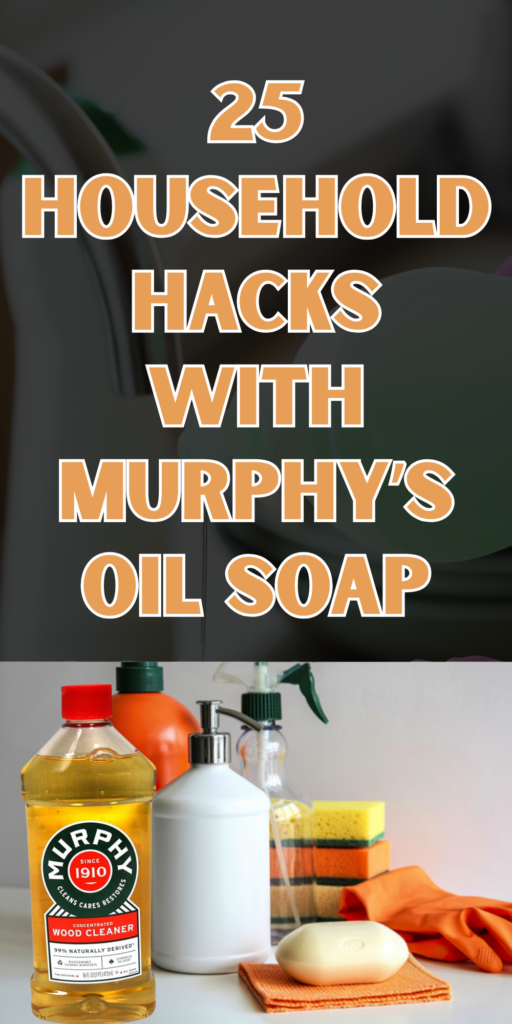
You want one cleaner that does more than polish wood and still keeps your home simple. Murphy’s Oil Soap works across dozens of everyday tasks, from cleaning sealed floors to tackling grease, soap scum, and fabric-safe messes. This post shows how a single bottle can support 25 practical household hacks.
You will save time by relying on a single product instead of juggling multiple cleaners. I normally use it in the kitchen, bathroom, laundry area, and even outdoors with the right dilution and care. Each hack I have written here focuses on safe, realistic uses you can apply right away.
You will also find tips on where Murphy’s Oil Soap works best and where it does not belong. Clear tips help you clean efficiently, protect surfaces, and avoid common mistakes while keeping your routine simple.
Key Takeaways
- Murphy’s Oil Soap handles many household cleaning tasks beyond wood.
- You can use it safely across multiple rooms with proper dilution.
- Smart use helps reduce clutter and simplify cleaning routines.
Benefits of Using Murphy’s Oil Soap
You get a cleaner home without harshly treating surfaces. The formula balances effective cleaning, broad household use, and a lighter environmental footprint.
Gentle Cleaning Power
You can clean finished wood without stripping its natural oils or dulling the surface. Murphy’s Oil Soap uses a mild, pH-balanced formula that lifts dirt while leaving protective finishes intact.
You reduce the risk of residue buildup because the soap rinses clean when diluted as directed. That matters for floors, cabinets, and furniture that you touch daily.
The gentle action works well on grime caused by hands, food splatter, and tracked-in dirt. You can clean frequently without worrying about accelerated wear.
Best uses for gentle cleaning include:
- Hardwood and laminate floors
- Wood cabinets and trim
- Tables, chairs, and shelving
Versatility Around the Home
You can use one bottle in multiple rooms, which simplifies your cleaning routine. Murphy’s Oil Soap works on more than wood when diluted properly.
You can clean painted surfaces, tile, and even certain fabrics during spot cleaning. This flexibility helps you avoid switching products for small tasks.
The soap handles everyday messes like grease haze, dust buildup, and sticky residue. You save storage space and reduce clutter under the sink.
Common household applications:
- Kitchen cabinets and countertops (non-stone)
- Vinyl flooring and ceramic tile
- Baseboards, doors, and wall scuffs
Eco-Friendly Attributes
You use a cleaner made with plant-based cleaning agents rather than heavy synthetic solvents. The formula relies on biodegradable surfactants that break down more easily after use.
You limit unnecessary chemical exposure in your home. The product contains no phosphates and uses a light, natural oil-based scent instead of strong artificial fragrances.
You also reduce waste by using one multipurpose cleaner instead of several single-use products. That approach lowers plastic consumption over time.
Environmental considerations at a glance:
| Feature | What it means for you |
|---|---|
| Biodegradable surfactants | Reduced impact after disposal |
| Concentrated formula | Less packaging waste per use |
| No phosphates | Lower risk to waterways |
Essential Murphy’s Oil Soap Cleaning Hacks
You can use Murphy’s Oil Soap to clean, protect, and refresh many wood surfaces without harsh chemicals. Proper dilution, gentle tools, and correct drying make the difference between clean results and surface damage.
1. Hardwood Floor Care
You keep hardwood floors looking even and clean when you use Murphy’s Oil Soap with the right dilution. Mix ¼ cup of soap with 1 gallon of warm water and wring the mop until it feels barely damp.
Use a microfiber or sponge mop to avoid excess moisture. Work in small sections and follow the grain to prevent streaks.
Best practices
- Vacuum or dry mop first to remove grit.
- Avoid soaking the floor or letting water pool.
- Dry the surface with a clean towel if it feels damp.
This method removes dirt and light buildup while helping maintain the floor’s finish without leaving residue.
25 Cleaning Hacks That Will Change Your Life- Practical Tips
2. Reviving Wood Furniture
You can restore the look of wood furniture by removing oils, fingerprints, and light grime. Dilute 2 teaspoons of Murphy’s Oil Soap in 1 cup of warm water for controlled cleaning.
Apply the solution with a soft cloth and wipe along the grain. Focus on arms, edges, and drawer fronts where buildup collects.
Key steps
- Test on a hidden area first.
- Use minimal liquid to protect joints and veneers.
- Buff dry immediately with a clean cloth.
This way you can clean without stripping finishes and helps furniture maintain a consistent appearance over time.
3. Cleaning Cabinets
You can also use Murphy’s oil soap to remove grease and food residue from wood cabinets by using a slightly stronger mix. Combine 1 tablespoon of Murphy’s Oil Soap with 1 quart of warm water and stir gently.
Dip a soft cloth into the solution, wring it well, and wipe cabinet doors and frames. Pay attention to handles and areas near the stove.
Cabinet-safe tips
- Do not use abrasive sponges.
- Rinse lightly with a damp cloth to prevent film.
- Dry each section as you go.
This method cleans effectively while protecting painted and finished wood surfaces from dulling.
4. Refreshing Baseboards
You can clean baseboards quickly and evenly with Murphy’s Oil Soap and a small bucket. Mix 1 teaspoon of soap per cup of warm water to avoid residue on trim.
Use a soft cloth or sponge and start from the top edge to prevent drips. For detailed profiles, a soft toothbrush helps reach grooves.
Helpful tools
- Microfiber cloths for smooth trim
- Soft brushes for detailed molding
- Dry towel for final wipe
This process removes dust and scuffs while keeping baseboards looking clean without damaging paint or wood.
Kitchen Uses for Murphy’s Oil Soap
Murphy’s Oil Soap handles greasy buildup, dusty storage areas, and worn wood surfaces when used correctly. In kitchens, it works best when properly diluted, lightly agitated, and quickly dried to protect finishes.
5. Degreasing Appliances
It can cut through greasy residue on appliance exteriors without harsh chemicals. Mix ¼ cup Murphy’s Oil Soap with 1 gallon of warm water, then dampen a soft cloth rather than soaking it.
Wipe surfaces such as refrigerators, dishwashers, range hoods, and painted cabinets. Focus on handles, edges, and control panels where oils collect. Use a soft toothbrush for seams and textured trim.
After cleaning, wipe again with a cloth dampened with plain water. Dry immediately to prevent streaks. Avoid using it on glass panels, unsealed stone, or interior cooking surfaces. Always test a small area first, especially on older finishes.
6. Cleaning Pantry Shelves
Pantry shelves collect dust, food residue, and sticky spills that attract pests. Murphy’s Oil Soap cleans sealed wood and laminate shelves without leaving a heavy scent.
Remove items and vacuum loose debris first. Clean shelves using a lightly damp cloth and a diluted solution.
Best practices for pantry shelves:
- Use minimal moisture to avoid warping
- Wipe spills immediately after they soften
- Dry shelves fully before restocking
This method works well for wooden shelving, painted boards, and shelf liners. Avoid soaking shelf edges or corners where moisture can seep into joints or fasteners.
7. Restoring Kitchen Tables
Kitchen tables take daily wear from food, heat, and frequent wiping. Murphy’s Oil Soap helps lift grime while preserving the table’s finish when you clean with restraint.
Dilute the soap and wipe the surface with the grain using a soft cloth. Pay attention to edges and high-use areas where oils build up. Use gentle pressure rather than repeated passes.
After cleaning, rinse with clean water and dry immediately. This process refreshes the surface and improves clarity without stripping protective finishes. Never use it on unfinished wood or leave pooled liquid near seams or extension joints.
Fastest Way To Clean Your Kitchen When You Are Exausted
Bathroom Murphy’s Oil Soap Applications
You can use Murphy’s Oil Soap in the bathroom for targeted tasks that benefit from gentle cleaning. It works best when you dilute it properly, wipe with soft tools, and rinse to avoid residue.
8. Shining Bathroom Fixtures
This soap oil restores shine to chrome, stainless steel, and brushed nickel fixtures when diluted lightly. Mix 1 teaspoon of Murphy’s Oil Soap per quart of warm water and apply with a soft microfiber cloth.
Wipe along the grain or finish to avoid streaks. Focus on faucets, handles, and towel bars where fingerprints and water spots collect.
Best practices
- Use a damp, not dripping, cloth to control residue.
- Rinse lightly with clean water, then dry to prevent spotting.
- Avoid abrasive pads and acidic cleaners on plated finishes.
This method cleans without scratching and helps maintain the factory finish when used occasionally rather than daily.
9. Washing Shower Doors
Moreover, you can remove soap scum from glass shower doors with Murphy’s Oil Soap by loosening the buildup before it hardens. Dilute the soap the same way and apply with a non-scratch sponge.
Work in small sections. Let the solution sit for 30–60 seconds, then wipe in overlapping passes.
Helpful tips
- Use a squeegee after rinsing to reduce future film.
- Dry edges and hardware to prevent streaks.
- Avoid use on etched or frosted glass without spot testing.
Murphy’s Oil Soap does not replace heavy-duty descalers, but it handles light to moderate film without harsh fumes when used consistently.
10. Safely Cleaning Tile
You can clean sealed ceramic or porcelain tile floors and walls with a gentle dilution. It lifts everyday grime while staying mild on surfaces.
Apply with a damp mop or cloth and keep water controlled. Rinse once to remove residue, especially in grout lines.
Surface guide
| Tile Type | Suitable | Notes |
|---|---|---|
| Sealed ceramic | Yes | Rinse well |
| Porcelain | Yes | Avoid pooling |
| Natural stone | Caution | Spot test first |
Avoid using it on unsealed stone or waxed tile. Proper dilution and rinsing help prevent slippery residue and maintain traction.
Laundry and Fabric Care Tricks
Murphy’s Oil Soap can help with targeted fabric care when you dilute it properly and test first. You use it for spot treatments and light freshening rather than full wash cycles.
11. Stain Removal on Clothes
You can use Murphy’s Oil Soap to loosen oil-based or greasy stains on durable fabrics like cotton or denim. Mix 1 teaspoon of soap with 1 cup of warm water, then dab the solution onto the stain with a clean cloth. Work from the outside in to limit spreading.
Let the solution sit for 5–10 minutes, then blot with plain water. Launder as usual, following the garment’s care label.
Best uses
- Food grease and cooking oil
- Makeup residue on collars
- Ground-in dirt on cuffs and hems
Avoid silk, wool, or delicate synthetics. Always test on an inside seam first, and never pour the soap directly onto fabric.
12. Freshening Fabric Upholstery
You can refresh fabric upholstery by using a very diluted Murphy’s Oil Soap solution to lift surface grime and odors. Mix ½ teaspoon of soap with 2 cups of water and lightly dampen a microfiber cloth.
Wipe the fabric gently without soaking it. Focus on armrests, seat edges, and headrest areas where oils build up.
Tips for safe use
- Blot, don’t scrub, to protect fibers
- Rinse the cloth often with clean water
- Allow the fabric to air-dry fully
This method works best on synthetic or tightly woven upholstery. Skip antique, natural-fiber, or water-sensitive fabrics.
Murphy’s Oil Soap for Pet Owners
You deal with daily pet messes and lingering odors, especially on sealed wood and finished floors. Murphy’s Oil Soap helps you clean safely, remove residue, and control smells without harsh fumes when you dilute and rinse correctly.
13. Cleaning Pet Messes
You can use Murphy’s Oil Soap to clean urine, food spills, and muddy paw prints from sealed wood, laminate, and vinyl. Act quickly to prevent staining and odor absorption. Blot first, then clean.
Basic steps
- Blot liquids with paper towels.
- Mix a gentle solution.
- Wipe with a damp cloth.
- Rinse with clean water and dry.
Dilution guide
| Surface | Murphy’s Oil Soap | Water |
|---|---|---|
| Sealed wood floors | 1/4 cup | 1 gallon |
| Cabinets, trim | 1–2 teaspoons | 1 quart |
Use a microfiber cloth to avoid spreading residue. Avoid soaking seams or edges. Keep pets off the area until it dries to reduce slipping and paw transfer.
14. Deodorizing Pet Areas
You can reduce pet odors on sealed floors, crates, and washable baseboards by cleaning away odor-causing residue rather than masking the smell. Murphy’s Oil Soap lifts grime that traps odors, which helps rooms smell neutral after drying.
For crates and feeding areas, wipe surfaces with a lightly damp cloth and a mild solution. Rinse to prevent buildup, then air-dry. For recurring odors, clean on a set schedule rather than increasing concentration.
Important safety notes
- Use only on sealed surfaces.
- Rinse thoroughly where pets lick or lie.
- Never mix with ammonia or bleach.
- Store the bottle out of reach.
Test a small area first. Consistent, diluted cleaning works better than strong solutions.
Creative Household Hacks with Murphy’s Oil Soap
You can use Murphy’s Oil Soap for more than floors, caring for leather, tools, and car interiors. With proper dilution and spot testing, you can clean, condition, and maintain surfaces without harsh residues.
15. Polishing Leather Items
You can refresh leather bags, belts, and shoes by using a highly diluted Murphy’s Oil Soap solution. Mix 1 teaspoon soap with 1 cup warm water, then wring a soft cloth until just damp.
Wipe the leather using light pressure and small circles. Focus on scuffs and dry areas, not seams or stitching. Avoid soaking the surface.
After cleaning, buff with a dry microfiber cloth to restore an even finish. Let items air-dry away from heat.
Tips that matter
- Always spot test on an inside edge.
- Skip suede and nubuck.
- Follow with a leather conditioner if the item feels dry.
16. Restoring Garden Tools
You can clean wooden handles and lightly soiled metal parts on garden tools with Murphy’s Oil Soap. Mix 2 teaspoons of soap per quart of warm water.
Wipe wooden handles to remove dirt and sap. The soap lifts grime without stripping the wood’s natural oils. Dry immediately to prevent swelling.
For metal, clean only surface dirt and residue. This method suits maintenance, not heavy rust removal.
Best practices
- Use a stiff brush for textured handles.
- Rinse with a damp cloth, not running water.
- Apply a thin coat of mineral oil to wood after drying.
17. Cleaning Car Interiors
You can safely clean many car interior surfaces with a diluted solution. Use ½ teaspoon soap per cup of water and a microfiber cloth.
Clean vinyl dashboards, sealed wood trim, and leather seats with gentle strokes. Work in sections and keep cloths barely damp.
Avoid screens, raw aluminum, and unsealed surfaces. Dry each area right away to prevent streaks.
Quick reference
| Surface | Safe to Use | Notes |
|---|---|---|
| Vinyl & plastic | Yes | Wipe dry immediately |
| Leather seats | Yes | Dilute heavily; spot test |
| Touchscreens | No | Use screen-safe cleaner |
Keep windows down while cleaning to help surfaces dry evenly.
Seasonal and Outdoor Uses
Use Murphy’s Oil Soap to clean outdoor surfaces that collect dirt, pollen, and grime during warmer months. Focus on gentle dilution, thorough rinsing, and drying to protect finishes and extend use.
18. Washing Patio Furniture
Clean sealed wood, resin, and metal patio furniture with a mild solution to remove buildup without stripping finishes. Mix 1/4 cup Murphy’s Oil Soap with 1 gallon warm water for routine cleaning. Increase agitation, not concentration, when tackling stuck-on residue.
Apply with a soft brush or microfiber cloth, working from the top down to prevent streaks. Rinse thoroughly with clean water to avoid residue that attracts dust. Dry with a towel or allow air-drying in shade.
Tips by material
- Sealed wood: Test in a hidden spot; avoid soaking joints.
- Metal frames: Focus on crevices; dry to reduce water spots.
- Resin/wicker: Use a soft brush to reach texture.
Avoid unsealed wood and cushions. Store furniture only after it dries completely.
19. Refreshing Outdoor Toys
Refresh plastic outdoor toys, ride-ons, and playhouses with a gentle wash that removes dirt and sunscreen residue. Use 2 tablespoons Murphy’s Oil Soap per gallon of warm water for frequent cleaning.
Scrub with a soft sponge, paying attention to handles and seats. Rinse thoroughly, then air-dry before use to prevent slippery surfaces.
Safety checklist
- Spot-test bright colors to check colorfastness.
- Keep the solution away from decals to prevent lifting.
- Do not soak toys with electronics or sound modules.
For sandbox tools and buckets, rinse twice to remove any film. Store toys in a dry place to slow future buildup.
20. Remove Fingerprints From Wooden Doors
Murphy’s Oil Soap is effective for lifting fingerprints and hand oils from finished wooden doors without damaging the surface. Mix 1 teaspoon of soap with 1 cup of warm water. Dip a soft microfiber cloth into the solution, wring it out well, and gently wipe the door in the direction of the wood grain.
Focus on high-touch areas like around handles and edges. Once clean, wipe the surface with a damp cloth using plain water, then dry immediately with a clean towel to prevent streaks or moisture marks.
Best uses
- Fingerprints and hand oils on wooden doors
- Smudges around door handles
- Light grime on finished wood surfaces
Avoid soaking the wood or using abrasive cloths. Do not use on unfinished wood. Always test the solution on a hidden area first.
21. Remove Dust From Bookshelves
Murphy’s Oil Soap helps remove built-up dust and light grime from wooden bookshelves while conditioning the surface. Mix 1 teaspoon of soap with 1 cup of warm water. Lightly dampen a microfiber cloth with the solution and wipe the shelves, following the wood grain.
Remove books first and dust them separately. After wiping, go over the shelves with a clean cloth dampened with plain water, then dry thoroughly to prevent residue or water spots.
Best uses
- Dust buildup on wooden bookshelves
- Light grime on shelving edges
- Smudges left from handling books
Avoid spraying the solution directly onto shelves or books. Do not oversaturate the wood. Test on a hidden spot before cleaning, especially on older or antique furniture.
How To Declutter A Room In One Day
22. Clean Wood Cutting Boards
Murphy’s Oil Soap can be used to remove food residue and surface grime from wooden cutting boards when followed by a thorough rinse. Mix 1 teaspoon of soap with 1 cup of warm water. Dip a clean sponge or cloth into the solution and gently scrub the board, paying attention to knife marks and edges.
Rinse the cutting board well under warm running water to remove all soap residue. Stand the board upright and allow it to air-dry completely before storing.
Best uses
- Everyday food residue on wood cutting boards
- Light grease or oil from food prep
- Odors caused by surface buildup
Avoid soaking the board or leaving it submerged in water. Do not use in the dishwasher. Always rinse thoroughly and let dry fully to prevent warping or cracking.
23. Clean Sealed Cork Floors Safely
Murphy’s Oil Soap can be used to clean sealed cork floors without stripping their protective finish. Mix 1 teaspoon of soap with 1 cup of warm water. Dip a soft mop or microfiber cloth into the solution, wring it out very well, and gently clean the floor using smooth, even strokes.
Work in small sections and avoid excess moisture. After cleaning, go over the floor with a clean, damp mop using plain water, then dry the surface to prevent water spots or swelling.
Best uses
- Dust and light grime on sealed cork floors
- Footprints and everyday dirt
- High-traffic areas with a protective finish
Avoid using on unsealed cork floors. Do not flood the surface or let water sit. Always test in an inconspicuous area first and dry thoroughly after cleaning.
24. Refresh Wood Coat Racks
Wooden coat racks tend to collect fingerprints, dust, and everyday grime, especially around the hooks and arms. To freshen them up, mix 1 teaspoon of Murphy’s Oil Soap with 1 cup of warm water. Lightly dampen a soft cloth, wring it out well, and wipe the wood with the grain.
Spend a little extra time on areas that get handled often. When finished, go over the rack with a clean cloth dampened with plain water, then dry it immediately to prevent moisture from settling into the wood.
Best uses
- Smudges and hand oils from daily use
- Dust on hooks, arms, and edges
- Light entryway grime
Avoid using too much water or rough scrubbing tools. Skip unfinished wood, and always test a small hidden spot first.
25. Clean Wooden Desks and Office Furniture
Wooden desks and office furniture pick up dust, fingerprints, and sticky spots from daily use. To clean them without dulling the finish, mix 1 teaspoon of Murphy’s Oil Soap with 1 cup of warm water. Dampen a soft cloth, wring it out well, and wipe the surface, moving with the wood grain.
Pay attention to areas around drawers, edges, and armrests. When done, wipe everything with a clean cloth lightly dampened with plain water, then dry right away to keep the surface streak-free.
Best uses
- Dust and smudges on desks and tables
- Fingerprints on drawer fronts and arms
- Light grime from everyday workspaces
Avoid soaking the furniture or using harsh cleaners. Do not use on unfinished wood. Test on a hidden area first, especially on older or delicate pieces.
Safety Tips and Best Practices
Use Murphy’s Oil Soap correctly to protect surfaces and avoid residue, damage, or safety issues. Focus on accurate dilution, smart storage, and knowing which materials you should never clean with it.
Proper Dilution and Storage
Always dilute Murphy’s Oil Soap according to the task. Concentrated soap can leave a film, attract dirt, or dull finishes.
Common dilution guidelines:
| Task | Soap | Water |
|---|---|---|
| General wood cleaning | 1/4 cup | 1 gallon |
| Light maintenance | 1–2 teaspoons | 1 quart |
| Spot cleaning | Few drops | Damp cloth |
Mix the solution gently to limit suds. Apply with a damp mop or cloth, not a soaking one, and wipe dry to prevent moisture damage.
Store the bottle tightly sealed in a cool, dry place. Keep it away from direct heat and freezing temperatures, which can affect consistency. Label any diluted solutions and use them within a few days to prevent contamination or separation.
Materials to Avoid
Do not use Murphy’s Oil Soap on surfaces that react poorly to moisture or oils. These materials can stain, warp, or lose their protective finish.
Avoid using it on:
- Unsealed or unfinished wood
- Waxed floors or furniture
- Stone surfaces like marble, granite, or slate
- Laminate floors with damaged seams
Skip use on non-wood surfaces unless the manufacturer confirms compatibility. Test on a small, hidden area before cleaning visible sections. If the surface becomes cloudy, sticky, or darker, stop and rinse with clean water.
Conclusion
You now have a broad set of ways to use Murphy’s Oil Soap across your home. You can simplify routine cleaning while protecting finished surfaces by following the label instructions and diluting as needed.
These ideas work best when you test first and use a light touch. You keep control by applying small amounts and wiping surfaces dry after cleaning.
Key habits to keep in mind:
- Use on sealed wood and finished surfaces only
- Dilute for delicate or high-traffic areas
- Rinse or buff when residue appears
You can save time by using one product for multiple tasks. That approach reduces clutter under your sink and makes regular upkeep easier to maintain.
When you clean with intention, results stay consistent. You extend the life of household surfaces by pairing proper technique with the right cleaner.