
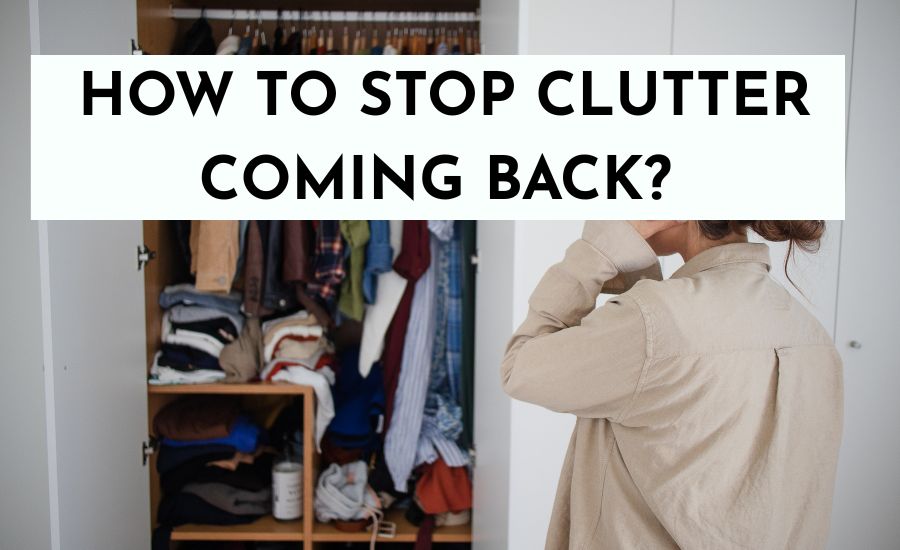
Clutter often comes back because you haven’t changed the habits that create it. To stop clutter from coming back, you need to make organizing a regular part of your routine and be mindful about what you bring into your space. Without these steps, clutter will keep piling up no matter how much you clean.
Many people also hold onto items out of habit or emotion, which makes clutter hard to get rid of for good. Understanding why you keep certain things helps you avoid adding more clutter in the future.
You will learn simple ways to break clutter patterns and keep your space organized longer. This will save you time and reduce stress over clutter in your daily life.
Disclaimer: This post contains affiliate links, meaning I may get compensated without extra cost if you buy something through my link. Read the full disclosure here.
Why Clutter Comes Back
Clutter often returns because of patterns in how you act, how you feel about items, and the ways you try to get rid of stuff. Understanding these reasons can help you handle clutter better.
Behavioral Triggers
Your daily habits can lead to clutter building up. For example, if you always leave your keys, papers, or mail on a table instead of putting them away, clutter will start to pile.
Small, repeated actions like this add up over time.
Sometimes you may pick up new things without thinking about whether you need them.
Buying items impulsively or keeping freebies can make your space more crowded.
Changing these habits requires being aware and making conscious choices every day.
Emotional Attachments
You might keep items because of emotional reasons, not practical ones. Things like gifts, souvenirs, or old clothes can hold memories.
This makes it harder to throw them away, even when they don’t serve a purpose.
These emotional ties can cause you to hold on to clutter longer than necessary. You may tell yourself you’ll use the item someday, or feel guilty getting rid of it.
Understanding these feelings helps you decide what matters.
Ineffective Decluttering Methods
Sometimes the ways you try to clear clutter don’t work well.
For example, if you move things around or put them in a box to deal with later, the clutter stays in your space, mentally and physically.
Using quick fixes instead of sorting and organizing properly can mean clutter returns fast.
It’s essential to use methods that make you decide what to keep, donate, or toss. Doing this slows down clutter coming back.
Related:
- How to Declutter Without Feeling Guilty
- 20 Mistakes to Avoid While Decluttering for a More Organized Home
Understand Your Clutter Patterns
Clutter often returns due to specific areas in your home, habits you may not notice, and how you handled clutter in the past.
Knowing these details helps you prevent clutter from returning.
Identify Common Problem Areas
Look around your home to find spots where clutter piles up most often. These could be kitchen counters, your desk, or the entryway.
Write down areas that always seem messy. Ask yourself why things end up there. Is it because there is no storage? Or because you drop things there after work?
Focus on hotspots where clutter builds quickly. You can then organize these spots differently or add containers to keep clutter under control.
Recognize Personal Habits
Your daily actions affect how clutter forms. Do you leave clothes on a chair? Do receipts pile up in your bag? These habits add to clutter without you realizing it.
Notice small behaviors, like putting mail on the kitchen counter or stacking books on the floor. These habits can lead to clutter if left unmanaged.
Try to change one habit at a time. For example, put clothes directly in the hamper or deal with mail each day. This makes clutter less likely to return.
Assess Past Decluttering Attempts
Think about how you removed clutter before. Did you throw things away, donate, or just move items to another room?
If clutter returns quickly, you might have overlooked the root cause or retained unnecessary items.
Write down what worked and what didn’t in past efforts. This will help you plan better next time by focusing on long-term solutions, not temporary fixes.
Organizational Systems That Prevent Recurrence
To keep clutter from coming back, you need clear systems that make it easy to store and manage your items. These systems work best when they save space, give everything a place, and encourage regular habits.
Implement Smart Storage Solutions
Smart storage means using containers and furniture that fit your space and needs. Use clear bins so you can see what’s inside without opening them. Label boxes and drawers to avoid guesswork.
Stackable containers help you use vertical space in closets or shelves. Hooks and wall racks keep things off counters and floors, making your room easier to clean. Choose storage that matches your lifestyle—if you use items often, keep them within easy reach.
Regularly review your storage. If something isn’t serving its purpose, change it. Good storage adapts to your changing needs and keeps clutter controlled.
Designating Specific Spaces
Assign a home for every item. When each thing has its spot, you’re less likely to leave stuff lying around.
Create zones based on how you use the area. For example, a desk space with containers for pens, paper, and electronics helps keep work clutter contained.
In kitchens, group similar items like spices, pots, or snacks together.
Use signs or labels if needed. This can help everyone in the household return items correctly. Your goal is to make putting things away second nature.
Adopt One-In, One-Out Rule
This rule means for every new item you bring in, one old item must leave your home. It helps manage how much stuff you keep over time.
Keep track of new purchases or gifts. Before putting them away, pick an item to donate, sell, or toss. This will stop clutter from building up silently.
This habit forces you to think about what you need.
It also keeps your belongings manageable, eliminating the need for big clean-ups later. You can use a simple list or app to remind yourself if needed.
Mindset Shifts for Lasting Change
Changing how you think about your stuff helps stop clutter from coming back. You need to decide what really matters to you and let go of things that don’t serve a purpose.
These ideas will help you build new habits that last.
Embrace Minimalism
Minimalism means keeping only what you genuinely need or enjoy. When you focus on fewer items, it’s easier to manage your space and keep it tidy.
Start by asking yourself if each thing adds value to your daily life. If it doesn’t, consider removing it.
Try setting simple rules, like “one in, one out.” This helps you control how much you bring in.
Minimalism isn’t about having no belongings. It’s about making wise choices so your space feels clear and valuable, not crowded.
Prioritize Function Over Sentiment
Sentimental items can cause clutter if you hold onto too many. Instead of keeping everything for emotional reasons, pick a few meaningful things that truly matter. This keeps your space easier to organize.
Ask yourself, Does this item serve a clear purpose? Or does it remind me of a specific memory?
Only keep what meets those questions. You can also take pictures of items you don’t want to keep but want to remember.
This saves space and helps you focus on what is most important.
Dealing With External Influences
Clutter often comes from things outside your control. You can manage this by setting clear limits on new items and explaining your needs to others. This will help keep extra stuff from piling up again.
Manage Gifts and Incoming Items
You cannot control every gift or item you receive, but you can control how you handle them, set rules for yourself and others about what you accept.
For example, ask for experiences instead of physical gifts, or request only valuable items you need.
Take time to sort through new items immediately. Decide if each item belongs in your home or should be donated, returned, or discarded.
Create a designated spot for new things. This makes it easier to review them regularly and keep your space organized.
Communicate With Family Members
Family members can inadvertently bring in clutter. Talk to them honestly about the importance of managing clutter in your home. Explain your goals and ask for their help.
Set clear boundaries. Let family know what items are okay and which are not.
For example, you might say no to random hand-me-downs or unnecessary purchases.
Use reminders if needed. Write notes or send messages to keep everyone on the same page.
Consistent communication helps prevent misunderstandings and clutter buildup.
Long-Term Strategies for Staying Clutter-Free
You need consistent habits to keep clutter from piling up again. This means setting aside time regularly, thinking carefully before bringing new items home, and checking how well your clutter-free goals are working over time.
Regular Decluttering Sessions
Schedule short decluttering sessions every week or month. This prevents clutter from building up in one large mess. Focus on small areas like a drawer, a shelf, or one part of a room.
Use a timer for 15-30 minutes to keep sessions manageable. Sort items into keep, donate, and trash piles. This makes decision-making faster and more precise. Stick to the schedule even when you feel busy. Small, regular efforts stop clutter from overwhelming you.
Evaluate New Acquisitions
Before buying or accepting new things, ask if you need them. Think about how it fits into your space and lifestyle. Avoid impulse buys by giving yourself 24 hours to decide.
Create a list of essentials to guide your purchases. This keeps random stuff from sneaking in. If you bring something new home, be prepared to let go of an older item.
Track Progress Over Time
Keep a simple journal or use a phone app to note your decluttering wins and challenges. Write down what areas you improved and what spots still feel cluttered.
Review this record monthly to spot patterns. Maybe you keep clutter near your entryway or your desk. Use this information to adjust your routines.
Tracking helps you focus on weak points and stay motivated.
When To Seek Professional Help
You may need professional help if clutter keeps coming back, even after you try your best to stay organized. This can happen if you feel overwhelmed or unsure about where to start.
If your clutter builds up to the point where it affects your daily life, such as making it hard to find things or causing stress, it’s a good sign to get support.
A professional organizer or therapist can help you find long-lasting solutions.
Here are some reasons to consider professional help:
- You keep buying or keeping things you don’t need
- You feel stuck and can’t decide what to keep or discard
- Clutter causes anxiety or impacts your health
- You want to create systems, but don’t know how to start
Professionals can teach you skills to manage clutter better. They may help with planning, sorting, and creating routines.
They can also advise on how to change habits that lead to clutter.
If your clutter is linked to deeper issues, such as emotional challenges or hoarding, therapy might be necessary.
Licensed counselors understand these problems and can provide the proper support.
Seeking help is not a sign of failure. It’s a smart way to manage clutter that keeps coming back and to improve your home and well-being.
Frequently Asked Questions
You can control clutter by being careful with what you buy, avoiding habits that cause clutter to build up again, and finding ways to keep yourself interested in staying organized.
These actions help you keep your space tidy and avoid common problems.
How does one mindfully purchase to reduce household clutter?
Before buying, ask yourself if you need the item and where you will put it. Only buy things that serve a clear purpose or bring you real value.
Stick to a list when shopping, and avoid impulse buys. This helps prevent stuff from piling up.
What are the common mistakes people make after decluttering that lead to clutter returning?
People often keep things “just in case,” which fills space quickly. Avoid holding on to items without a clear purpose.
Another mistake is not setting up systems for new items. If you don’t organize as soon as new things come in, clutter builds up again fast.
How does one stay motivated to keep a home clutter-free?
Set small goals and celebrate when you meet them. This keeps you encouraged to continue.
Create routines so tidying becomes a habit. When it feels part of your day, it is easier to maintain.