Most of us have some clutter in our homes, a junk drawer that’s overflowing, a closet with clothes we haven’t worn in years, or a garage full of “someday” items. However, when clutter becomes constant, overwhelming, and starts to affect daily life, it may be more than just disorganization. These could be signs that you might be a hoarder.
Hoarding is a complex psychological condition characterized by a persistent difficulty discarding or parting with possessions, regardless of their actual value or worth. What makes hoarding so challenging is that it’s not just about “stuff.”
Often, there are deep emotional reasons behind why a person holds on to things, such as fear of loss, anxiety, perfectionism, or even trauma.
You may be surprised to learn that hoarding is more common than you might think. Studies suggest that it affects roughly 2–6% of the population, and it can gradually develop over time, often going unnoticed until it becomes overwhelming.
That’s why recognizing the early signs is so important, both for those who may be experiencing it themselves and for loved ones who want to help.
It’s also important to understand that clutter and hoarding aren’t the same thing. Clutter is usually temporary and can be dealt with by tidying up.
Hoarding, on the other hand, involves a persistent pattern of behavior and emotional distress when trying to discard items. In severe cases, it can create health and safety risks.
If you’re wondering whether you or someone you care about might be heading down this path, you’re not alone. Awareness is the first step toward change. In this post, we’ll go over 12 signs that could indicate hoarding tendencies — and help you better understand the behaviors behind them.
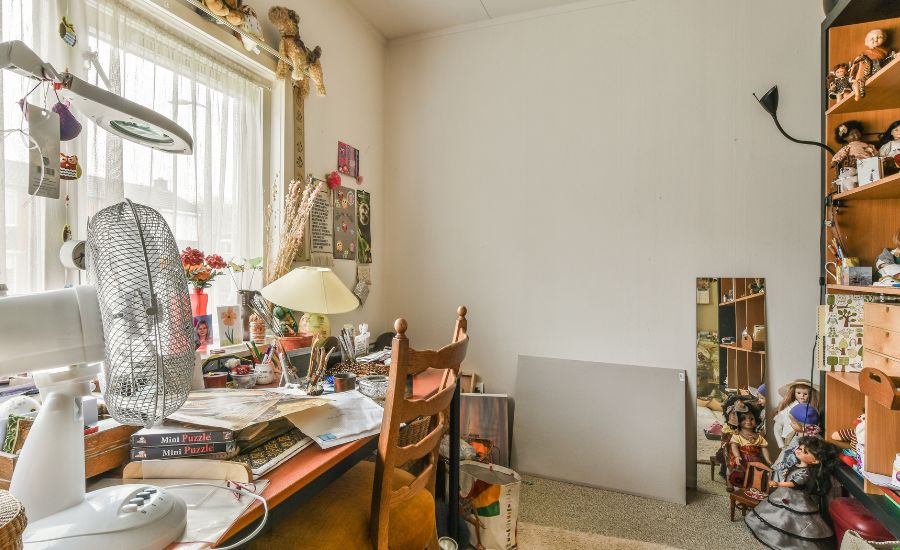
Signs That You Might Be a Hoarder
1. You Struggle to Throw Things Away
Let’s be honest — parting with our belongings isn’t always easy. Maybe you hold on to that sweater because it reminds you of a special moment, or you keep that broken lamp thinking you might fix it someday.
But when you consistently find it extremely difficult to throw things away, even if they’re no longer useful, that could be a red flag.
People who struggle with hoarding often develop strong emotional attachments to their possessions. It’s not just about the item itself; it’s about what it represents. A stack of old birthday cards might feel like a connection to someone who’s gone.
Even things like expired coupons or worn-out clothes can feel impossible to toss, just in case they might come in handy “one day.”
What sets hoarding apart from simple sentimentality is the intensity of the distress it causes.
The thought of letting go triggers anxiety, guilt, or even fear. You might rationalize keeping items by saying, “What if I need it later?” or “This could be worth something.”
These thoughts often override logic, and before you know it, you’re surrounded by piles of things you haven’t touched in years.
The struggle to discard isn’t laziness, it’s often rooted in deeper emotional patterns.
And while this behavior may seem harmless at first, over time, it can spiral into cluttered, unlivable spaces that impact your mental health, relationships, and overall quality of life.
If this sounds familiar, know that you’re not alone and that change is possible.
Recognizing this habit is the first step. From there, small, manageable efforts (with or without support) can help you begin to let go, both physically and emotionally.
2. You Keep Items with No Clear Use
We all have a drawer, or maybe even a box, filled with random things we’re not quite sure what to do with. A single sock, a tangled charger for a phone we no longer own, empty containers, dried-out pens… sound familiar?
While a little bit of this is normal, keeping everything, even when it has no real purpose, is one of the more subtle signs of hoarding behavior.
When you start holding onto items “just in case”, even when that case never comes, clutter can quietly build up in every corner of your home.
For someone struggling with hoarding tendencies, it’s hard to see things as trash or unnecessary. That broken toaster might get fixed. Some people even become organized hoarders who can organize each piece properly.
That outdated manual might be helpful. Even empty cardboard boxes feel worth saving. What if you need to ship something on a specific day?
Often, the thought of throwing them away sparks a fear of regret. You might feel wasteful or worry that you’ll need the item the minute it’s gone.
That “maybe someday” mindset traps you in indecision, and soon, your home becomes a storage space for “what ifs.”
What makes this sign tricky is that it feels responsible, like you’re being thrifty or prepared. But if you’re honest with yourself, many of the things you’re keeping aren’t adding value to your life. They’re just sitting there, waiting, and multiplying.
Recognizing that you’re holding onto items without a clear purpose is an important step. The next step? Challenging yourself to let go of just one thing, and realizing that the world doesn’t fall apart when you do.
3. Your Home’s Functionality Is Compromised
A home is meant to be lived in, to relax, cook, sleep, and spend time with loved ones. But when clutter takes over, those everyday functions can slowly disappear.
This loss of functionality doesn’t usually happen overnight. It starts gradually, a few boxes here, a pile of papers there, until entire rooms become unusable. The kitchen counters are full, so you stop cooking. The guest room has been converted into storage, so visitors no longer stay overnight.
For individuals with hoarding tendencies, it’s not always easy to recognize the extent to which clutter is impacting their daily life.
You might adapt in small ways, stacking things higher, creating narrow walking paths, or avoiding certain areas of the home altogether. Over time, these adaptations become the new normal.
But here’s the truth: your home should support your life, not make it more complicated. When clutter starts controlling how you move, eat, sleep, or interact with others, it’s more than just a mess, it’s a signal that something deeper might be going on.
The good news? Functionality can be restored, one step at a time. Even small changes, like clearing one chair or one corner, can make a big difference. Reclaiming your space isn’t just about tidiness; it’s about giving yourself room to breathe, rest, and live fully again.
4. Decluttering Feels Overwhelming
For many people, tidying up is just another chore, not exactly fun, but manageable. But if you find yourself feeling completely overwhelmed at the mere thought of decluttering, it could be a deeper issue.
When clutter builds up over time and items hold substantial emotional value, the idea of sorting through it all can feel paralyzing.
This overwhelm often stems from a combination of emotional attachment, decision fatigue, and fear. You might look at a room full of stuff and think, Where do I even start? Every item seems to come with a memory or a “what if.”
What if I throw it out and regret it? What if it was worth something? What if I need it later? These thoughts pile up faster than the clutter itself.
For someone with hoarding tendencies, decluttering isn’t just about organizing — it feels like an emotional minefield. Each decision can spark anxiety, guilt, or sadness. And when those feelings become too much, it’s easier to shut the door, walk away, and promise to deal with it another day. The problem is, that day rarely comes.
This cycle of stress and avoidance can lead to more buildup and more stress, creating a loop that feels impossible to break. It’s not about being lazy or messy — it’s about emotional overload.
The key is to shift your mindset. You don’t have to do it all at once. Start small. One drawer. One shelf. One item. And every little step forward chips away at the overwhelm, helping you regain control of your space and your peace of mind.
5. You Avoid Having Visitors
Your home should be a place where you feel comfortable inviting people in, whether it’s for a cup of coffee, a family dinner, or just a quick hello. But when clutter starts taking over, embarrassment and shame can quietly move in too.
If you find yourself turning down invitations to host, making excuses for why people can’t come over, or feeling anxious at the thought of an unexpected guest, it might be a sign of something more profound.
Avoiding visitors is a common phenomenon among individuals who struggle with hoarding tendencies. It’s not that you don’t want company — it’s that you’re afraid of being judged.
Over time, this avoidance can lead to loneliness and isolation. What starts as a way to protect yourself from embarrassment slowly turns into missed connections, strained relationships, and fewer moments of joy with the people you care about.
You might even stop cleaning or trying to organize altogether because, in your mind, “no one will see it anyway.”
But here’s the thing, the state of your home doesn’t define your worth. And while it may feel like hiding is the safest option, it often makes the emotional weight even heavier.
Change doesn’t happen overnight, but every small effort to reclaim your space is also a step toward reconnecting, not just with others, but with yourself.
6. Items Are Blocking Walkways or Exits
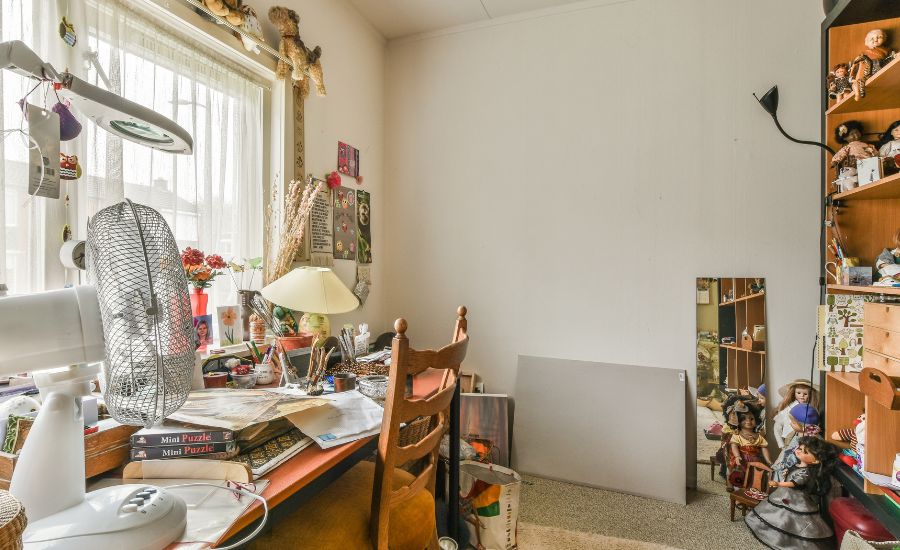
When belongings start to take up more space than you do, daily life can become uncomfortable, even unsafe. One of the clearest signs that clutter is becoming a serious problem is when items begin to block walkways, doorways, or exits.
In many cases, this buildup doesn’t happen overnight. A bag dropped “just for now” becomes a stack. That stack becomes a pile. And before you realize it, there’s only a narrow path from the front door to the kitchen. At first, it may not seem like a big deal, you adjust.
But those adjustments come at a cost. Not only does it make cleaning more difficult and stressful, but it also creates real safety risks, especially in case of an emergency.
People with hoarding tendencies often don’t notice how restricted their space has become until someone else points it out to them.
You may have gotten so used to stepping over things that it feels normal. Or maybe you’ve convinced yourself that the pile isn’t in the way, it’s just temporary. But the truth is, when clutter limits your ability to move around safely and comfortably, it affects your quality of life.
7. You Buy Duplicates of Things You Already Own
How many times have you gone shopping and, in a moment of uncertainty, bought something you’re pretty sure you already have at home?
It could be an extra pair of scissors, another bottle of shampoo, or a second-hand chair for the living room. It seems harmless at the time, but when it becomes a recurring pattern, it’s a sign that your clutter might be getting out of hand.
For someone struggling with hoarding tendencies, buying duplicates often occurs due to forgetfulness or a fear of running out of something.
You might look in your pantry, see a nearly empty box of cereal, and buy a new one, even though you already have three unopened boxes stashed behind other items.
Or maybe you can’t find your favorite pen, so you pick up another one, only to discover that you already had three identical ones in your desk drawer.
This behavior isn’t just about the stuff. It’s rooted in a more profound sense of disorganization, anxiety, or a fear of losing something important. You start accumulating things, not because you genuinely need them, but because you’re uncertain of what you have.
The result is a cycle of buying, accumulating, and never entirely using what you already own.
While buying duplicates might seem like a way to stay prepared, it can quickly lead to more clutter, less space, and increased frustration.
The trick is to slow down and take stock of what you already have before making another purchase.
A small habit change, like checking your cabinets or drawers before shopping, can help break the cycle and keep your space more organized.

8. You Attach Sentimental Value to Almost Everything
It’s natural to feel a connection to specific items — a childhood toy, a family heirloom, or a gift from a loved one. These things often hold memories and emotions that make them feel irreplaceable.
But when the sentimental attachment extends to almost everything in your home, it can become a significant challenge to declutter.
For people with hoarding tendencies, even seemingly insignificant items start to feel like they’re tied to something meaningful.
An old concert ticket, a receipt from a memorable date, a random sweater given as a gift years ago, all of these can become emotionally charged. You may feel that throwing them away would be a disrespect to a memory or losing a piece of your past.
This attachment isn’t always based on the intrinsic value of the items themselves. It’s about the memories, emotions, or stories they represent.
Even the most mundane objects, such as a fast-food cup from a trip or a broken vase from your childhood, take on a kind of emotional weight that can make it incredibly difficult to let go.
The problem is that when everything holds significant meaning, it becomes hard to distinguish between what’s truly valuable and what’s just taking up space.
You may end up holding on to hundreds of things that no longer serve a purpose, simply because you can’t bear to part with the feelings they evoke.
While it’s essential to honor memories and the emotions tied to certain items, it’s equally important to be mindful of how much space these attachments take up.
Sometimes, finding a meaningful way to preserve memories, such as taking a photo of the item, can help you keep the sentiment without the clutter.
9. You Experience Emotional Distress When Letting Go
For most people, parting with an item they no longer need is simply a task. You toss out an old pair of shoes, donate a book you’ve already read, or sell furniture that no longer fits. But for someone who struggles with hoarding tendencies, this process isn’t just physical, it’s deeply emotional.
If you’ve ever felt an overwhelming sense of anxiety, guilt, or even sadness when faced with letting go of something, you know exactly what this feels like. It’s more than just reluctance, it can feel like a personal loss.
The idea of throwing something away can trigger feelings of regret, as if you’re making a mistake that will haunt you.
Even the thought of discarding something broken or no longer useful can create a fear of wasting something important.
This emotional distress is a core symptom of hoarding. The attachment to possessions often becomes intertwined with a person’s identity, memories, and sense of security.
When an item is discarded, it can feel like letting go of a piece of yourself or a connection to your past.
This reaction can cause significant stress, leading to avoidance or procrastination when it comes to cleaning or decluttering.
It’s important to understand that this distress isn’t a sign of weakness, it’s a symptom of deeper emotional challenges, often linked to fear, perfectionism, or trauma. And the more you try to push through these feelings, the more overwhelming they can become.
If you find that letting go causes emotional turmoil, try to be patient with yourself. Small steps, like starting with items that hold less emotional weight, can help you build confidence in your ability to declutter without overwhelming emotions.
You don’t need to tackle everything at once, and it’s okay to ask for support.
10. Your Collections Are Out of Control
Collecting items can begin as a hobby, a way to appreciate and enjoy things that interest you, such as rare books, vintage toys, or memorabilia.
However, when that collection exceeds its original purpose, it can quickly become a source of stress and overwhelm, especially if it starts to consume your space and time.
If you find that your collections are getting out of hand, it may be a sign that you’re holding on to more than just items of interest.
Collections often start innocently enough, with a few key pieces that bring joy. But as the collection expands, the need to keep adding “just one more” can feel overwhelming.
Whether it’s coins, action figures, shoes, or anything else, the line between passion and compulsion can blur.
For those struggling with hoarding tendencies, the collection itself can take on an almost obsessive quality. It might not just be about enjoying the items anymore, it becomes about having them.
You may feel a sense of panic at the thought of missing out on a rare find or fear that the collection will never be “complete.” This compulsion can lead to spending money you don’t have or filling your home to the brim with items that don’t add meaningful value to your life.
The problem with this is that these out-of-control collections often result in spaces that are difficult to navigate or use. Rooms once meant for living or relaxing turn into storage areas for an ever-growing inventory of things you don’t need or even enjoy anymore.
If you recognize this in yourself, the first step is to assess whether the collection still serves its original purpose, or if it’s now taking up more of your space and energy than it should.
You don’t have to give it up entirely, but starting with small steps to pare it down could help you regain control and create a more balanced environment.
11. You Feel Like Things Are ‘In Control,’ But Others Disagree
When it comes to hoarding, one of the most telling signs is the disconnect between how you perceive your living situation and how others view it.
You may genuinely believe that your home is in a manageable state, even though it may be causing concern or frustration for those around you.
It’s common for people with hoarding tendencies to feel that they have things under control. You might think that, despite the clutter, everything is fine and that it’s simply a matter of personal space and organization.
After all, you know where everything is, right?
In your mind, there’s no urgent need for change because you’ve learned to adapt to the chaos.
But from the outside, your home may seem unlivable or overwhelming to others, sparking comments or concern from family members, friends, or even visitors.
This disconnect can lead to frustration and defensiveness. You may feel misunderstood or unfairly judged. “It’s not that bad,” you might think, or “I’ll clean it when I’m ready.”
But if multiple people express concern about the clutter, it might be a sign that the situation is more serious than you realize.
The emotional attachment to items and the sheer volume of things can distort your sense of what is acceptable or normal.
If you find yourself brushing off others’ concerns, it’s essential to take a step back and reflect. Sometimes, it takes an outside perspective to see the whole picture.
Recognizing the impact that clutter has on your relationships, well-being, and safety is a necessary step toward making changes. You don’t have to make drastic changes overnight, but acknowledging the issue can be the first move toward regaining control.
12. Clutter Is Affecting Your Daily Life or Health
At first, clutter might seem like a minor inconvenience, a few extra items here and there that you can push aside.
However, when clutter accumulates and takes over, it can start to impact every aspect of your life, from your daily routines to your physical and mental well-being.
If you’re finding that your clutter is getting in the way of your daily activities, whether it’s cooking, cleaning, or simply getting out of the door in the morning, it’s time to pay attention.
Tasks that used to be easy may now feel like tremendous obstacles. Perhaps your kitchen counters are cluttered with piles of papers or unused appliances, making it challenging to cook.
Or perhaps your bathroom is so full of old products and towels that there’s no room even to move around. These seemingly small barriers can build up over time and become a significant source of stress and frustration.
Beyond the daily inconvenience, clutter can also affect your health. Piles of stuff can create a breeding ground for dust, mold, and allergens, leading to respiratory issues or skin irritations.
In extreme cases, clutter can even pose safety risks, blocking walkways, entrances, or exits in the event of an emergency. If you’ve ever tripped over a pile or found it difficult to access your fire exits, you know how dangerous it can become.
On an emotional level, living in cluttered spaces can increase feelings of stress, anxiety, and even depression. The constant visual reminder of the mess can feel draining, making it harder to relax or focus on the things that matter.
Clutter is more than just a physical issue, it’s a mental one too, and it’s essential to recognize its impact on your life.
Taking small steps toward decluttering can improve not just your environment but also your overall well-being.
Conclusion:
Hoarding can be a complex and emotionally challenging issue, but recognizing the signs early is the first step toward regaining control of your space and your life. Whether it’s struggling to throw things away, feeling overwhelmed by the thought of decluttering, or dealing with the impact on your health and relationships, the signs of hoarding are often subtle at first, but they can build up over time.
Remember, it’s not about perfection. It’s about taking small, manageable steps to clear the clutter, prioritize your well-being, and create a living space that supports your daily life. Whether you’re facing hoarding tendencies yourself or you’re concerned about a loved one, it’s essential to be patient, compassionate, and open to support.
If any of these signs resonate with you, don’t hesitate to reach out for help. Whether through a professional organizer, therapist, or even just starting with one small area at a time, you can make meaningful changes and reclaim a sense of calm and order in your space.
Your home is meant to be a place of comfort and safety, not a source of stress or anxiety.
With understanding, support, and a commitment to change, it’s possible to overcome the challenges of hoarding and find peace in your surroundings once again.
27 Lazy girl hacks for decluttering
9 Steps For Hoarders to Start Decluttering
23 small apartment living room ideas for maximum space
16 Fall and Halloween Bedroom Decor Ideas