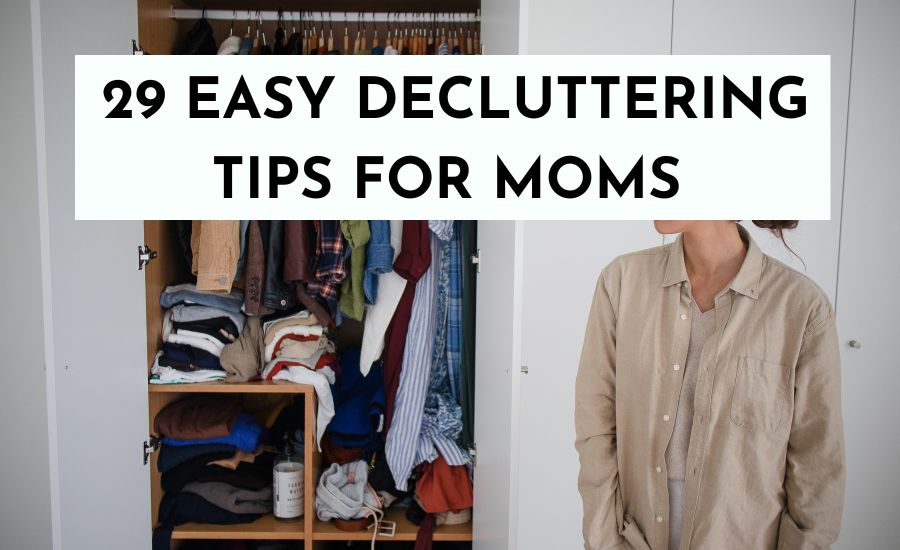
Keeping your home organized can be a real challenge, especially when you have kids. It’s easy for clutter to build up quickly and make daily life more stressful. You need simple ways to manage the mess without spending all day cleaning. This article gives you 29 easy decluttering tips for moms that fit into your busy life.
These practical ideas are designed to help you create a tidier space and feel more in control. You can start using them right away to make your home feel more peaceful.
Disclaimer: This post contains affiliate links, meaning I may get compensated without extra cost if you buy something through my link. Read the full disclosure here.
Easy Decluttering Tips For Moms to Simplify Your Home
1) Start with the kitchen counters
Begin by clearing everything off your kitchen counters. Remove items that do not belong or that you don’t use daily. This will provide you with a clean space to work in.
Next, sort the items into three categories: things to keep, things to move, and things to discard. Be honest about what you need at arm’s reach.
Wipe down the counters once they are empty. This helps you start fresh and see the space.
Only put back items that belong on the counter and are used often. Store the rest in cabinets, drawers, or a pantry.
Keeping your counters clear can make your kitchen feel larger and more organized. It also makes meal prep easier and faster.
Try this step before moving to other areas. It’s a simple way to make progress quickly.
17 Decluttering Tips For Messy People
2) Use labeled bins for toys
Using labeled bins helps keep toys organized and easy to find.
You can sort toys by type, like blocks, dolls, or cars. This makes clean-up faster and less stressful.
When each bin has a clear label, your child knows where to put toys away. This encourages good habits and keeps the play area tidy.
Labels can be words or pictures, depending on your child’s reading level. You can use colorful stickers or simple tags to make it fun.
Bins that stack or fit on shelves save space. They also make rooms look less cluttered. You can buy bins or reuse containers you already have at home.
Using labeled bins reduces the chance of lost toys. It helps you keep track of what your child owns too. This way, you can spot what needs to be replaced or donated.
Keep bins within reach for your child. This makes cleanup part of playtime and less of a chore for you.
3) Set a 10-minute tidying timer
Setting a 10-minute timer helps you focus without feeling overwhelmed. When the timer starts, work quickly but calmly to tidy up one area.
You don’t need to clean everything at once. Just pick a small spot and put things back in order.
When the timer goes off, stop. Even a short burst like this can make a big difference over time.
You can do this several times a day or once when you have a free moment. It’s an easy way to keep clutter from building up.
The timer also prevents you from spending too much time on one task. This way, tidying fits into your busy schedule.
Try using your phone or a kitchen timer. It makes the process simple and keeps you on track.
30 things To Plan and Organize for Christmas: A Comprehensive Holiday Checklist
4) Declutter clothes by season
Start by sorting your clothes into seasons: winter, spring, summer, and fall. This helps you see what you use during each part of the year.
Put out-of-season clothes in storage bins or another closet. This frees up space for the clothes you need right now.
Take a close look at the clothes for the current season. If you haven’t worn something in the last few months, consider donating or selling it.
Check for clothes that don’t fit or are damaged. Removing these items makes your closet easier to manage.
Rotate your clothes with the changing seasons. This keeps your closet fresh and helps you stay organized all year.
5) Donate unused baby gear
You probably have baby items that your child no longer uses. Toys, clothes, cribs, or strollers can take up space if they are sitting around.
Donating these items is a good way to clear clutter while helping others. Many local charities or shelters accept baby gear in good condition.
Before donating, check that everything is clean and safe to use. Remove any batteries or loose parts from toys. This ensures your donation is both helpful and appreciated.
If you’re unsure where to donate, look online for local groups or community centers. Some stores also have donation bins for baby items. Donating helps you save space and supports families in need.
6) Create a mail sorting station
You can save time and reduce clutter by setting up a mail sorting station. Select a location near where mail typically arrives at your home. This makes it easy to handle mail right away.
Use trays, baskets, or small bins to separate your mail. Label each container by category, such as bills, invitations, and junk mail. This way, you know where everything goes.
Check your mail daily to keep piles from growing. Sort out junk mail immediately and put essential papers in a safe spot. This keeps your counters clear and your documents organized.
A mail station helps you stay on top of deadlines.
You won’t lose essential bills or invitations in a messy pile. It can also make paying bills on time easier.
Make sure everyone in the family knows how to use the station. This prevents clutter from returning and helps you all stay organized.
7) Use under-bed storage boxes
You can save a lot of space by using under-bed storage boxes. These containers fit easily under your bed and keep items out of sight.
They work well for storing off-season clothes, toys, or extra bedding.
Clear boxes allow you to see what is inside without opening them.
You can also label opaque boxes to find things faster. Rolling storage boxes are helpful if your bed is low to the ground.
Using under-bed storage keeps your room looking cleaner. It also makes it easier to find things when you need them. This method helps keep clutter off the floor and out of drawers.
Choose boxes that fit your bed size. Avoid overloading them, so they slide in and out smoothly.
This simple step can make your space feel more organized with little effort.
8) Clear out expired pantry items
You should check your pantry regularly for expired items. Look at the dates on cans, boxes, and jars. Throw away anything that is past its expiration date.
Expired food can take up space and make your pantry look cluttered. Removing these items helps you see what you really have. It also keeps your food safe to eat.
Take everything out of the pantry and wipe down the shelves.
This makes it easier to spot expired items and clean any crumbs or spills. Put back the items you want to keep in an organized way.
You can use a small basket to hold items that need to be used soon.
This helps prevent more food from expiring and being wasted. Regularly clearing expired pantry items saves space and keeps your kitchen tidy.
9) Organize craft supplies in jars
You can use jars to keep your craft supplies organized and easily accessible.
Clear jars let you see what’s inside without opening them. This saves time when looking for specific items.
Sort your supplies by type before putting them into jars. For example, put buttons in one jar, markers in another, and beads in a different one. This helps keep things neat.
Label each jar so everyone knows what belongs where. You can use stickers or write directly on the lid. This makes cleaning up faster.
Jars take up little space and can be stacked or lined up on shelves.
They also protect supplies from dust and spills. Using jars makes your craft area look cleaner and more organized.
10) Implement a family command center
You can keep your family organized by creating a family command center. It is a space where you put calendars, essential notes, and reminders all in one place.
This helps everyone know what is happening each day.
Choose a spot that is easily accessible, such as the kitchen or near the front door. Use a bulletin board, whiteboard, or wall calendar. Add pockets or bins for papers like invitations or permission slips.
Ensure that you include a space for each family member’s schedule.
This keeps activities from getting mixed up. You can also add a spot for keys or phones.
Check and update the command center often. This will help you keep your home running smoothly and reduce clutter from papers scattered around.
11) Sort kids’ shoes weekly
You can save space by sorting your kids’ shoes every week. Check which pairs still fit and which ones are outgrown. Remove shoes that are too small or worn out.
Keep only the shoes your kids use regularly. Store seasonal shoes, such as boots or sandals, in a separate bin. This helps you find the right shoes quickly.
Organize the shoes by type or size. Use clear shoe bins or racks to keep your shoes organized and neat. Label the storage if needed to avoid confusion.
Make shoe sorting a part of your weekly routine.
This small habit prevents clutter from accumulating and keeps your home tidier. Your kids will also learn to care for their shoes.
12) Discard broken school supplies
You should regularly check your child’s school supplies for any broken or damaged items.
Pencils with no lead, pens that don’t write, and markers that are dried out don’t help during study time.
Keeping broken supplies only creates clutter and can cause frustration. It’s best to discard these items to make room for more useful tools.
If a school supply can be repaired, such as sharpening pencils or refilling pens, do that.
Otherwise, discard it. This keeps your child’s backpack and desk organized and ready for school work.
13) Use hanging organizers for accessories
You can save a lot of space by using hanging organizers for your accessories.
These organizers hang on the back of doors or inside closets. They help keep things like scarves, belts, and jewelry in one place.
Hanging organizers make it easy to see all your items at once. This means you won’t have to dig through drawers or boxes.
You can quickly pick what you need and put it back without making a mess.
Many hanging organizers have clear pockets or hooks. This keeps everything visible and easy to find.
You can also use them for small toys or craft supplies, not just clothes.
By using hanging organizers, you create more space on shelves and in drawers. This small change can make your whole room feel less cluttered and more organized.
14) Keep a donation box in the closet
You can make decluttering easier by keeping a donation box in your closet. When you find clothes or items you no longer use, put them straight into the box.
This helps you act quickly instead of letting things pile up.
Having a dedicated box makes it simple to sort items without extra effort.
When the box is full, take it to a local charity or donation center. This keeps your closet clear and helps others in need.
This small habit saves time and keeps your space organized. You will notice less clutter and more room for things you actually wear or use.
The box also reminds you to review your possessions often.
15) Schedule monthly declutter sessions
Set a specific day each month for decluttering. Treat it like a necessary appointment you cannot miss. This helps you stay consistent without feeling overwhelmed.
Keep these sessions short, about 20 to 30 minutes.
You don’t need to do everything at once. Small, regular efforts add up over time.
Focus on one area each time. For example, clear out a drawer, a shelf, or a toy box. Breaking tasks into smaller parts makes decluttering easier.
Mark your calendar or set a reminder on your phone. This will help you remember and stick to your plan. Consistency is key to maintaining a well-organized home.
If you involve your family, these sessions can be faster and more fun.
Assign simple tasks to kids or your partner. It teaches everyone to keep things tidy on a regular basis.
16) Limit sentimental items to one box
You probably have a lot of items that hold special memories.
It’s easy to keep too many of them and end up with clutter. Limit yourself to just one box for all your sentimental things.
Choose a box that is not too big. This way, you have to be selective about what you keep. Only save items that truly matter to you.
When the box is full, stop adding more. This encourages you to focus on quality rather than quantity. You might find it easier to let go of less important items.
Having one box for sentimental items also makes it easier to store and keep organized. You’ll know exactly where to find those special memories without having to dig through piles.
17) Store arts and crafts in clear bins
You can keep arts and crafts supplies organized by using clear bins.
These bins make it easy to see what is inside without opening them. This saves you time when you need to find specific items.
Clear bins also help keep your space neat. You can stack them or place them on shelves, which reduces clutter on tables and floors.
Label each bin if you want to make finding things faster.
Using clear bins protects your supplies from dust and damage. It also encourages kids to clean up after themselves because they can see where everything belongs.
This simple step keeps your crafting area tidy and ready for use.
How To Use 12-12-12 Decluttering Method To Decluter Your House
18) Use drawer dividers for socks
Using drawer dividers can help keep your socks organized and easy to find.
You can separate socks by color, style, or size. This saves time when you are getting dressed.
Drawer dividers are simple to install and can fit in almost any drawer.
They stop socks from mixing together and creating a mess. This makes your drawer look neater.
You can buy plastic, fabric, or wooden dividers. Select the type that best suits your space and budget. Keeping your socks in order reduces clutter and makes your daily routine more organized and smoother.
19) Separate laundry by color from the start
You can save time by sorting your laundry as soon as you take your clothes off.
Use separate bins or bags for whites, darks, and colors. This stops you from having to sort through piles later.
Keeping colors separated helps prevent stains and color bleeding during washing. Your clothes will stay in better shape, which means less need to replace them.
Make this a simple habit for your whole family. Everyone can put their clothes in the correct bin. This keeps the process easy and fast.
20) Organize bath products with caddies
You can keep your bathroom neat by using caddies to store bath products. Caddies help group items like shampoo, soap, and conditioner in one place.
This makes it easier to find what you need quickly.
Choose a caddy that fits well in your shower or bathtub area.
Look for one with compartments to separate different products. This stops bottles from tipping over or getting mixed up.
Using a caddy also makes cleaning faster. You can take all your bath items out at once without having to move each bottle individually. It keeps your space tidy and saves time during your routine.
If you have kids, get a caddy that they can reach easily.
This encourages them to put things back where they belong after use. Organizing with caddies reduces clutter and makes your bathroom more functional.
21) Create a homework zone
You need a quiet, organized space where your child can do homework. Choose a spot with good lighting and minimal distractions. This helps your child focus better.
Keep supplies like pencils, erasers, and paper nearby. Use bins or trays to store these items. This prevents clutter from spreading to other areas.
Make sure the homework zone is easy to keep clean. Encourage your child to put things back where they belong after use. This habit keeps the space tidy and ready for the next day.
Having a dedicated space also helps you keep track of school materials.
You won’t have to search for missing assignments or supplies. This saves you time and reduces stress.
Overall, a homework zone can make study time more effective. It gives your child a clear space to work and helps you manage clutter.
22) Use stackable baskets for linens
You can keep your linens neat by using stackable baskets. They save space and help you separate different items like towels, sheets, and pillowcases.
Stacking baskets lets you see what you have quickly without making a mess. This keeps your linen closet tidy and easy to use.
Select baskets that fit well in your closet or on your shelves. Label each basket so you always know what’s inside. This makes it easier to find what you need fast.
Using stackable baskets also makes it simple to pull out one set without disturbing the rest. This helps keep your linens fresh and wrinkle-free.
23) Label all storage containers
Labeling your storage containers helps you find items quickly. When every box has a clear label, you save time hunting for things.
Use simple words that describe what is inside. For example, write “Winter Clothes” or “Toys” on the label.
You can use sticky labels, permanent markers, or printed tags. Choose what works best for you and lasts a long time.
If you store containers in dark or confined spaces, labels make it easier to identify their contents without opening them.
Labeling also keeps your family organized. Everyone can put things back in the right place because they know where each item belongs.
24) Rotate children’s toys regularly
You can keep your child’s play area less cluttered by rotating toys. Instead of having all toys out at once, put some away and swap them every few weeks.
This method makes old toys feel new and keeps your child engaged without the need for new purchases. It also reduces the mess and helps your child focus on fewer items at a time.
Store unused toys in bins or boxes that are easily accessible. You can switch toys based on the season, your child’s interests, or the available space.
Rotating toys regularly helps you manage clutter and teaches your child to appreciate what they have. You’ll find that your home stays tidier with less effort.
25) Use digital photos for keepsakes
You can save space by turning physical keepsakes into digital photos.
Take pictures of items you want to remember, but do not use every day. This way, you keep memories without piles of clutter.
Digital photos are easy to organize on your phone or computer.
You can create folders by date, event, or child. It helps you find memories quickly when you want to look back.
Sharing digital photos is simple too. Send them to family or friends without mailing physical items. This keeps memories alive without cluttering your home.
Using digital photos means less dusting and cleaning.
It is a smart way to keep memorable moments without filling your space. You still have your memories, just lighter and easier to manage.
26) Assign a spot for keys and wallets
You should pick one place in your home for your keys and wallet. This will help you avoid searching for them every day. A small bowl, hook, or tray near the door works well.
Ensure that everyone in your family is aware of the location. This keeps things consistent and stops lost items from piling up.
Keep the spot clear of other clutter. Only keys and wallets should go there so that you can find them quickly.
If you make this a habit, you will save time and reduce stress. It can help your whole family stay organized too.
Change the spot if it’s not working for you. The right place should be easily accessible when you enter or leave the house.
27) Create a daily clutter sweep habit
You can keep your home tidy by spending just a few minutes each day on a clutter sweep. Pick a regular time, like after dinner or before bed, to quickly go through common areas.
Focus on areas where clutter tends to accumulate, such as countertops, tables, or entryways. Put things back where they belong or dispose of trash immediately.
Doing this every day stops clutter from piling up and makes cleaning less stressful. It also helps you notice the items you no longer need.
Try setting a timer for 5 to 10 minutes to keep it short and easy. When it becomes a daily habit, you’ll find it easier to maintain a well-organized home.
How To Stop Clutter Coming Back? Why It Returns?
28) Use vertical space with wall hooks
You can save a lot of floor and counter space by using wall hooks. They help you keep things off flat surfaces, making your room look less cluttered.
Hooks work well in many rooms. Use them in the kitchen for utensils, in the entryway for bags and coats, or in kids’ rooms for backpacks and jackets.
Choose hooks that fit your style and needs. You can find simple adhesive hooks that don’t require drilling, or strong metal hooks for heavier items.
Arrange hooks at different heights so everyone in your family can reach what they need.
Using vertical space with hooks makes your home easier to clean and gives you more room to move around. It’s a small change that can make a big difference.
29) Declutter fridge weekly
You should check your fridge every week. Throw away expired or spoiled food. This helps keep your fridge clean and safe.
Organize items by category, like dairy, fruits, and leftovers. This makes it easier to find what you need.
Wipe down shelves and drawers while you clean. This removes spills and prevents bad smells.
Use clear containers to store food. It helps you see what you have and reduces waste.
Keep leftovers in small portions. Label them with dates so you remember to eat them before they expire.
Conducting a weekly fridge check saves you time and prevents clutter from accumulating. It also helps you plan meals better.
How to Declutter Without Feeling Guilty
20 Mistakes to Avoid While Decluttering for a More Organized Home
Why Decluttering Matters For Busy Moms
Decluttering helps you feel less stressed and more in control. It also makes your home run smoother day to day. These changes can impact your mood and the way your family functions together.
Mental And Emotional Benefits
When your home is cluttered, your mind feels cluttered too. You might notice more stress, anxiety, or trouble focusing.
Clearing out unnecessary items frees your mind to think more clearly and feel calmer.
You can reduce feelings of being overwhelmed when you know where things are. This helps you tackle your daily tasks without the added mental burden.
Decluttering also gives you a sense of accomplishment. That boost can improve your mood and make you want to keep your space organized over time.
Positive Impact On Family Dynamics
A tidy home creates fewer arguments about mess and chores. Everyone knows what belongs where, so it’s easier to share responsibilities.
Decluttering makes room for family activities. You have more space to spend time together without tripping over toys or piles of clothes.
Your kids can learn good habits by watching how you keep the home organized. This can lead to better cooperation and less stress for you as a mom.
Maintaining A Clutter-Free Home
Keeping your home clutter-free takes ongoing effort. You need to have practical goals and daily actions that fit your busy life.
Small habits build lasting order instead of trying to do everything at once.
Setting Realistic Expectations
You won’t clear the clutter in one day. It’s better to set small, doable goals. For example, plan to tidy one drawer or one shelf a day instead of the whole house.
Accept that your home will never be elegant all the time. You have kids, school stuff, and family life happening. Aim for “good enough” instead of “perfect.”
Celebrate small wins. Finished cleaning the kitchen counter? That’s progress. Consistent effort is more important than an all-or-nothing approach.
Creating Simple Routines
Build short habits into your day to stop clutter from piling up. You might spend 10 minutes after dinner putting toys away or clearing your desk every morning before work.
Use checklists or reminders to keep on track. For example, set a daily alarm that reminds you to do a quick tidy-up. This helps form habits without extra thinking.
Keep storage easy to reach and organized. When things go back in their place quickly, you will stick to routines better. Label bins and shelves so everyone in your family knows where things belong.
How to Simplify Life and Declutter the Unwanted Stuff: 18 Best Tips
27 Lazy Girl Hacks To Declutter Your House
12 Signs That You Might Be a Hoarder
How to Make Your House Smell Good: Expert Tips
Frequently Asked Questions
You can manage clutter by focusing on specific areas like kitchen counters, toy storage, and seasonal clothes. Setting short timers and using clear bins helps you stay organized. Donating items you no longer need also keeps your space clear.
How can I efficiently declutter my home while taking care of my children?
Use labeled bins for toys to keep play items organized. Set a 10-minute timer for quick tidying sessions so you don’t get overwhelmed. Involve your children by giving them small tasks to help.
What are some quick and effective decluttering strategies for busy moms?
Focus on high-traffic areas like kitchen counters first. Sort clothes by season to reduce clutter quickly. Use simple storage solutions that save time, like baskets or bins.
What is the best way to approach sentimental items when decluttering?
Limit the number of sentimental items to keep. Take photos of items you want to remember but don’t need to keep physically. Donate or store those that don’t bring daily value.
Can you offer tips for maintaining a decluttered space in a family household?
Set daily or weekly tidying timers to keep things under control. Return items to their labeled bins after use. Regularly donate or recycle unused baby gear and clothes.
How should I tackle decluttering different areas of my home, like the basement or living areas?
Break down big spaces into small zones to handle one at a time. Start with easy-to-access spots like counters or shelves. Sort items into keep, donate, and toss piles.
Are there any decluttering habits I can incorporate into my daily routine to minimize clutter?
Spend 5-10 minutes each day tidying a specific spot. Put things away immediately after use. Avoid bringing in new items without removing old ones.